Categories
Uncategorized

How to Start Your Own IV Business by Becoming a Certified IV Instructor

For healthcare professionals who already love the clinical side of intravenous therapy, there is a natural next step that very few people stop to consider: turning your IV expertise into a business of your own. Becoming a certified IV instructor through the National I.V. Association (NIVA) does far more than add a credential to your resume. It gives you a teachable, marketable skill, a nationally recognized certification, and the independence to contract your services across hospitals, convalescent homes, extended care facilities, community colleges, and private training programs. In other words, it gives you the foundation to become your own boss.

If you have ever thought about stepping out of a single staff role and building something that belongs to you, the instructor pathway is one of the most direct routes in all of healthcare to get there.

From Skilled Practitioner to Professional Educator

An IV instructor is a clinician who not only knows how to start, manage, and discontinue an intravenous line but is also trained and certified to teach others to do it safely. That distinction matters. There is a meaningful difference between performing a clinical skill well and being able to break that skill into teachable steps, explain the reasoning behind each one, and guide a roomful of nervous beginners until the technique becomes second nature for them.

By the time someone becomes a NIVA instructor, they already know how to insert IVs and they are already nationally certified to do so. That is because the IV technician certification, along with all of its study material, is built directly into the instructor program. You are never asked to arrive with the clinical credential already in hand. The pathway is designed to take a capable healthcare professional and carry them all the way through to a fully credentialed teaching role.

The Two-Part Pathway, and Two National Exams

One of the things that makes the NIVA instructor route so practical is its structure. It is delivered as two complete courses, with two separate national examinations, so you build your clinical foundation first and then build your teaching foundation on top of it.

The first part is a full course dedicated to becoming nationally IV certified. It covers the clinical fundamentals: how to insert and remove an IV, how to inject fluids and electrolytes, how to manage drip medications, how to handle pediatric infusions, and the safety precautions that protect both the patient and the provider. After completing this coursework, you sit for the National I.V. Examination and earn your technician certification.

The second part is an entire course devoted to teaching itself. This is where you learn the didactic principles of instruction: how to build a syllabus, how to structure a lesson, how to read the needs of your students, and how to handle the difficult or struggling learner with patience and skill. The NIVA instructor course is 100 percent online and self-paced, and it spans 14 modules focused on real education technique, including recognizing student needs, teaching learners with learning disabilities, and the foundations of learning theory. When you finish, you take the National I.V. Instructor Certification Examination. A passing score of 78 percent or higher earns you a hardcopy certificate mailed to you, a hand-sewn patch, and a national ID that employers can use to verify your credential.

You also receive instructor attachments such as quizzes and PowerPoint presentations to help you teach and train from day one, so you are not starting your classroom from a blank page.

Why This Credential Is a Business Launchpad

Here is where the opportunity opens up. Most certifications qualify you to be hired. The IV instructor certification qualifies you to hire yourself.

Once you hold the credential, you can offer your services as an independent instructor to the very organizations that need this training the most. Hospitals need staff trained and retrained on safe IV technique. Convalescent homes and extended care facilities need qualified people to demonstrate IV starts and keep their teams current. Community colleges and post-secondary medical programs often bring in certified instructors to teach IV therapy classes. Each of those is a potential client, and each of them values a teacher who arrives already credentialed, already organized, and ready to run a class.

Because you are nationally certified rather than tied to a single employer, you control how, where, and how often you work. You can teach one contract or twenty. You can build a roster of facilities that call you back every quarter. You can grow this from a side income into a full practice on your own timeline.

Business Models You Can Build

The instructor certification is flexible enough to support several different business models, and many successful instructors blend more than one:

Independent contract instruction. Offer your services on a per-class or per-diem basis to hospitals, long term care facilities, and clinics that need IV training delivered on site. You set your rate, you set your schedule.

Your own IV training class or program. With a syllabus, a curriculum, and the teaching materials already in your toolkit, you are well positioned to launch your own IV therapy course and enroll your own students.

Mobile and on-site training. Bring the classroom to the facility. Many employers would rather pay a qualified instructor to come to them than send staff away for days at a time.

Continuing education and refresher training. IV skills require upkeep, and facilities are always looking for someone to keep their teams sharp and compliant.

The common thread is independence. The certification gives you a credential that travels with you, not one that belongs to a single workplace.

What You Can Earn

The earning potential is one of the strongest reasons to pursue this path. According to figures cited by Salary.com, certified IV training instructors can earn up to $124,000 per year working for healthcare organizations and educational institutions. The reported average sits around $105,643, with many instructors earning up to $118,263 annually. Compare that to a Level 1 registered nurse at roughly $67,190, and the value of the credential becomes clear.

When you operate independently rather than as a single salaried employee, your income is shaped by how many contracts and classes you choose to take on, which means your ceiling is largely in your own hands.

How to Get Started

The National I.V. Association was formed in 1990 to standardize accepted practice and promote patient safety in venipuncture and IV therapy, and it remains a leading certifying authority in the field. Getting started is straightforward:

  1. Register online for the IV Instructor Certification program, which includes the National I.V. Review course, the National I.V. Examination, and the National Instructor course at no additional cost for the included exam access.
  2. Complete the clinical coursework and pass the National I.V. Examination.
  3. Complete the 14-module instructor course and pass the National I.V. Instructor Certification Examination with a score of 78 percent or higher.
  4. Receive your certificate, hand-sewn patch, and national ID, and begin marketing your services.

Keep in mind that NIVA certifications are renewed every two years, which keeps your credential current and your skills sharp, exactly the kind of ongoing standard that facilities want to see in the instructors they hire.

Build Something That Belongs to You

Becoming a certified IV instructor is one of the few moves in healthcare that hands you both a respected credential and a genuine path to independence. You already have the clinical instinct. NIVA gives you the teaching skill, the national certification, and the professional standing to turn that instinct into a business you own.

Invest in your future today. Register for the National I.V. Instructor Certification program and start building a career, and a business, on your own terms. To learn more or to enroll, visit nationalivassociation.org/register or call NIVA toll free at 1-866-926-5792, and one of our certification specialists will be glad to help.
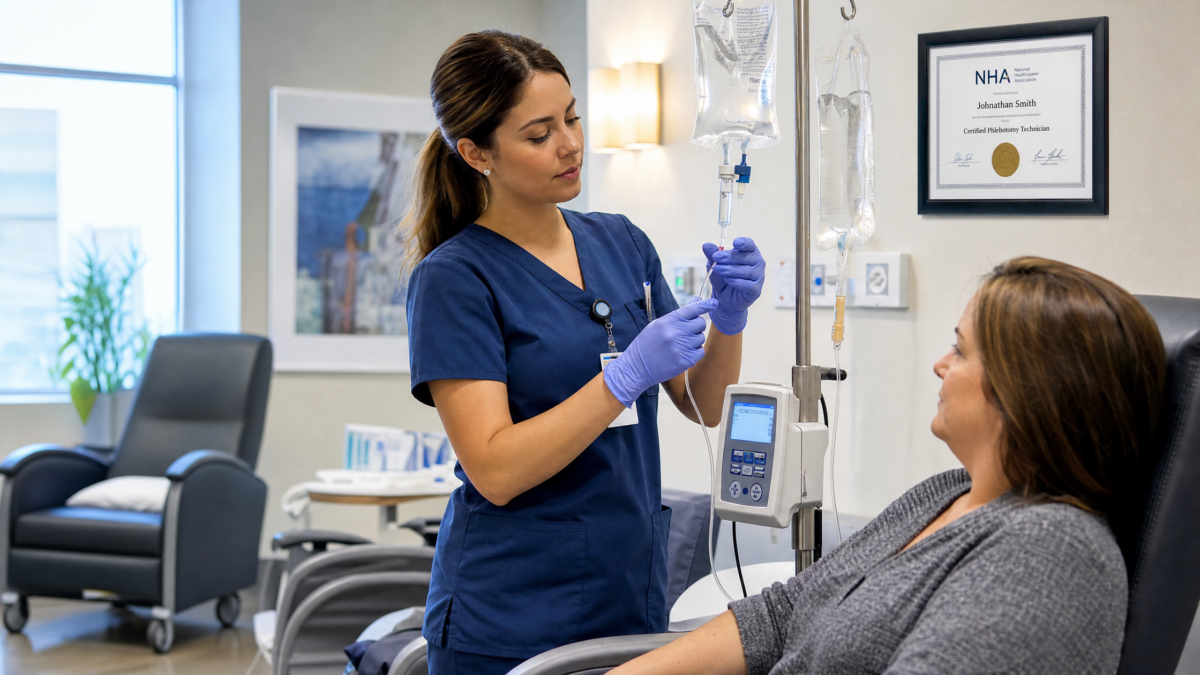
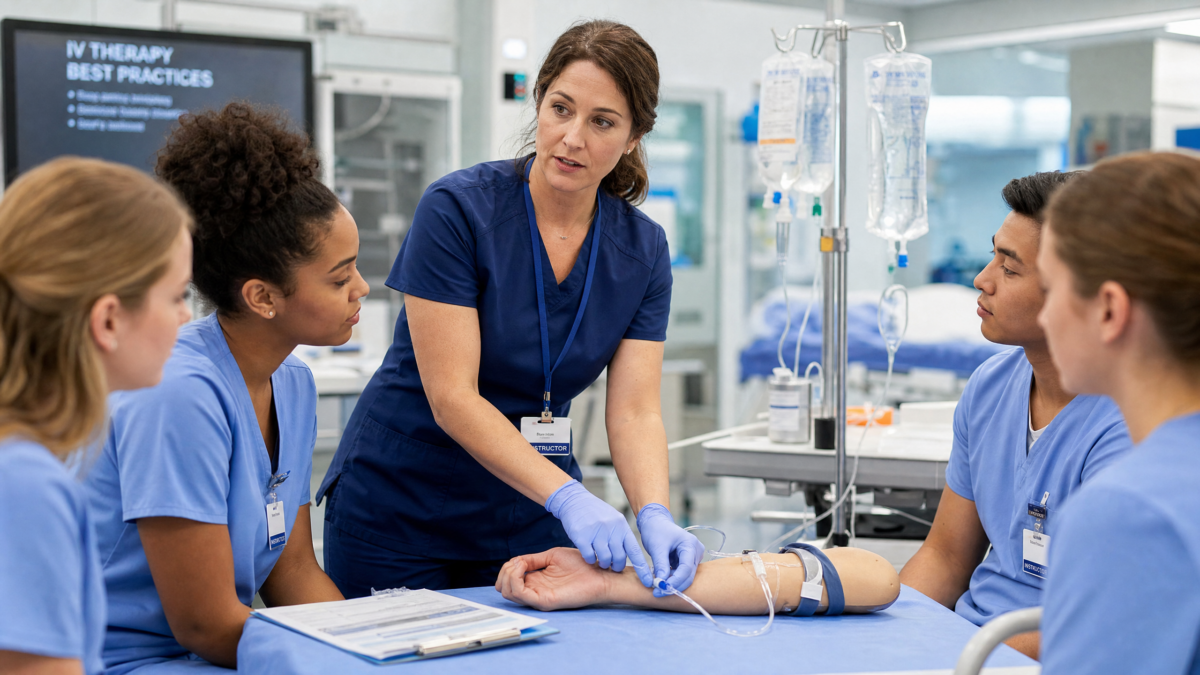
Categories
Uncategorized

From Phlebotomist to IV Professional: Why National IV Certification Is Your Smartest Next Step

Article update in progress.

This article is currently being reviewed and updated to reflect current National IV Association information. Please check back soon or visit the NIVA blog for current educational resources.

Categories
IV Instructor Certification

The Growing Importance of IV Instructors in Today’s Healthcare Workforce

IV instructors help organizations turn training requirements into confident, consistent learning experiences. As healthcare teams expand, the need for educators who can organize skills practice, support learners, and reinforce workplace standards continues to grow.

Why IV instructors matter IV instructors create a bridge between program content and real-world learning. They can make course expectations easier to understand, guide learners through supervised practice, and help organizations promote a reliable training experience across teams.

What strong instruction looks like Effective instructor-led education is organized, approachable, and built around clear objectives. Learners benefit from opportunities to ask questions, review expectations, and receive constructive feedback as they develop confidence.

Building a sustainable training culture A training culture is stronger when leaders value preparation, communication, and ongoing learning. Instructor candidates can build a practical teaching portfolio, document their experience, and stay informed about the requirements that apply to their role and organization.

Preparing to pursue instructor certification Start by reviewing the current program details, eligibility criteria, and applicable workplace requirements. Then create a study and practice plan that aligns with your professional background and the responsibilities you hope to take on as an instructor.

Frequently Asked Questions

What does an IV instructor do?

An IV instructor helps learners understand program expectations, prepare for supervised skills practice, and build confidence through clear instruction and feedback.

Who should consider IV instructor certification?

Professionals who enjoy teaching, mentoring, and supporting structured education can review the current program requirements to see whether an instructor role fits their goals.

How can I learn more about NIVA instructor programs?

Review the current NIVA course information and program requirements to identify the pathway that best aligns with your professional goals.

Frequently asked questions What does an IV instructor do? An IV instructor helps learners understand training objectives, prepares them for skills practice, and supports a consistent learning environment.

Who should consider instructor certification? Qualified professionals who enjoy teaching, mentoring, and supporting structured education may wish to explore the current requirements for an instructor program.

Where can I learn about NIVA programs? Visit the NIVA course pages to review current course information and select the program that fits your goals.

Categories
IV Certification Uncategorized

How Becoming IV Certified Can Boost Your Nursing Career and Pay

In the ever-evolving landscape of the healthcare industry, nurses are consistently seeking opportunities to advance their careers and increase their earning potential. One valuable way to achieve both goals is by becoming IV certified. Intravenous (IV) certification not only enhances your skill set but also opens doors to higher-paying job opportunities in various healthcare settings. In this article, we’ll delve into the importance of IV certification, its benefits, and how it can elevate your nursing career.

Understanding IV Certification

Firstly, let’s understand what IV certification entails. Intravenous therapy is a crucial aspect of patient care, involving the administration of fluids, medications, and blood products directly into the veins. IV certification equips nurses with the knowledge and skills necessary to safely and proficiently perform these tasks.

IV certification courses cover a range of topics, including anatomy and physiology of veins, different types of IV equipment, principles of aseptic technique, medication administration, and complications management. These courses typically involve both theoretical learning and hands-on training to ensure nurses are competent in performing IV procedures.

Importance of IV Certification

Enhanced Patient Care

One of the primary reasons for pursuing IV certification is to provide optimal patient care. Proficiency in IV therapy allows nurses to administer medications and fluids more effectively, ensuring timely delivery and accurate dosages. Moreover, skilled IV therapy reduces the risk of complications such as infiltration, phlebitis, and infection, thereby enhancing patient safety and comfort.

Expanded Scope of Practice

IV certification expands a nurse’s scope of practice, enabling them to take on more complex cases and responsibilities. With IV certification, nurses can independently initiate and manage IV therapy, freeing up physicians and other healthcare providers to focus on other aspects of patient care. This autonomy not only increases job satisfaction but also fosters professional growth and development.

Career Advancement Opportunities

In today’s competitive job market, having specialized certifications can significantly enhance your career prospects. IV certification demonstrates your commitment to excellence in patient care and sets you apart from other candidates. Many healthcare facilities prioritize hiring IV-certified nurses due to their advanced skills and expertise, offering them opportunities for career advancement and higher pay.

Benefits of IV Certification

Increased Earning Potential

One of the most compelling reasons to pursue IV certification is the potential for higher earnings. IV-certified nurses are in high demand across various healthcare settings, including hospitals, clinics, ambulatory care centers, and home healthcare agencies. Employers recognize the value of IV certification and are willing to offer competitive salaries and benefits to attract skilled professionals.

Diverse Career Opportunities

IV certification opens doors to a wide range of career opportunities within the nursing field. Whether you prefer working in critical care, emergency medicine, oncology, or infusion therapy, IV certification enhances your employability and allows you to explore different specialties. Additionally, IV-certified nurses may pursue roles in leadership, education, or research, further diversifying their career options.

Professional Recognition and Prestige

Achieving IV certification is a significant accomplishment that garners respect and recognition within the nursing community. It signifies your dedication to continuous learning and excellence in patient care. IV-certified nurses often earn the admiration of their peers and supervisors, positioning themselves as valuable assets to their healthcare teams.

Steps to Becoming IV Certified

If you’re interested in pursuing IV certification, here are the general steps involved:

  1. Research IV certification programs: Look for accredited programs that offer comprehensive training in IV therapy.
  2. Meet prerequisites: Most IV certification programs require candidates to hold a valid nursing license and have some clinical experience.
  3. Enroll in a certification course: Once you’ve met the prerequisites, enroll in an IV certification course that fits your schedule and learning preferences.
  4. Complete the training: Participate actively in the coursework and hands-on training sessions to develop your IV therapy skills.
  5. Pass the certification exam: After completing the training, you’ll need to pass a certification exam to demonstrate your proficiency in IV therapy.
  6. Maintain certification: Some IV certification programs require nurses to renew their certification periodically through continuing education and clinical practice.

Conclusion

In conclusion, IV certification offers numerous benefits for nurses seeking to advance their careers and earn higher pay. By acquiring specialized skills in IV therapy, nurses can enhance patient care, expand their scope of practice, and access diverse career opportunities. Additionally, IV certification increases professional recognition and opens doors to lucrative job prospects in the healthcare industry. If you’re looking to take your nursing career to the next level, consider becoming IV certified and unlocking a world of opportunities.

Categories
Uncategorized

The Demand for Immunization-Certified Healthcare Workers

An immunization certificate for those receiving an immunization is an official document or proof provided by a relevant authority that verifies an individual’s immunization status. It includes information about the vaccines or immunizations received, the dates of administration, and any boosters or follow-up doses.

Immunization-certified healthcare workers or immunization technicians are qualified healthcare professionals who have received specialized training and certification in administering vaccines and immunizations. They are trained to administer vaccines to patients of all ages, following established guidelines and best practices hence also issuing an immunization certificate to those who have received an immunization or vaccine.

Immunization-certified healthcare workers can find employment in various healthcare settings and may enroll in immunization classes or immunization technician classes to obtain their certification to administer vaccinations and immunizations.

Immunization Certification For Healthcare Workers

Healthcare workers play a crucial role in public health by ensuring that individuals receive appropriate vaccinations and immunizations. Immunization-certified healthcare workers contribute significantly to public health efforts by ensuring that individuals receive appropriate vaccinations at the right time, thereby preventing the spread of vaccine-preventable diseases and protecting community health.

Their responsibilities may vary depending on their specific functions and the healthcare settings in which they work. The job responsibilities of immunization-certified healthcare workers include

  • Vaccine Administration: the safe and accurate administration of vaccines and immunizations.
  • Patient Education: duties such as providing information, educating patients, and addressing concerns about the importance of immunizations, potential side effects, and the recommended immunization schedule.
  • Assessment and Documentation: the critical task of maintaining immunization records and updating patient charts to track vaccine schedules and boosters.
  • Vaccine Storage and Handling: responsibilities for the proper storage and handling of vaccines, ensuring that they are kept at the correct temperatures to maintain their effectiveness.
  • Monitoring and Reporting: monitoring patients for any adverse reactions following immunization and providing appropriate care if necessary is also part of their duties. Reporting adverse events to the public health authorities is mandatory.
  • Disease Surveillance: playing a role in disease surveillance by reporting cases of vaccine-preventable diseases to public health agencies. This helps in tracking outbreaks and implementing control measures.
  • Compliance with Regulations: adhering to local, state, and federal regulations related to immunization practices, such as maintaining the confidentiality of patient records.

The Demand For And Job Opportunities For Healthcare Workers

Immunization technicians may work in healthcare settings and community-based centers such as immunization clinics, primary care clinics, schools, universities, community healthcare centers, hospitals, pharmacies, correctional facilities, long-term care facilities, and so on.

There is an increasing demand for immunization-certified technicians for so many reasons

  • Routine Vaccination Programs: for administering routine vaccines to prevent diseases.
  • Vaccine Expansion: for the development of new vaccines and the expansion of vaccination recommendations for different age groups.
  • Seasonal Vaccination Campaigns: to meet the increased demand for seasonal diseases such as annual flu.
  • Pandemic Preparedness: having immunized-certified technicians can help prepare for unexpected events such as unforeseen disease outbreaks like a pandemic.
  • Travel Medicine: travel clinics often employ immunization technicians to cater to travel-related vaccinations.
  • Pharmacies and Retail Clinics: pharmacies and retail clinics now offer vaccination services to customers. This trend has led to a greater demand for immunization technicians in these settings.
  • Home Healthcare: the aging population has a growing emphasis on home-based care and a need for those who can administer vaccines to individuals who are homebound or have difficulty accessing healthcare facilities.
  • Specialized Clinics: pediatric, family planning, and occupational health clinics have immunization services as part of their offerings, requiring trained immunization technicians.
  • Public Health Responses: disease outbreaks and emergencies require public health agencies to deploy immunization teams with immunization technicians to rapidly vaccinate affected populations.

Having a valid credential will also allow immunization technicians to

  • Participate in outreach and promotion programs: to raise awareness about immunizations, especially among underserved populations. This can include organizing vaccination events and collaborating with community organizations.
  • Collaborate with other healthcare professionals: collaborating with nurses, physicians, and public health officials, they can coordinate immunization efforts and promote vaccination as a public health intervention.
  • Be part of emergency response teams: in the event of outbreaks or emergencies, immunization-certified healthcare workers may be called upon to administer vaccines rapidly to control the spread of disease.

The Benefits Of Obtaining Immunization Certification At NIVA

The immunization certification course at NIVA provides healthcare workers with the skills and knowledge needed to understand and learn immunization and vaccine administration techniques. NIVA provides immunization classes through its courses and certification exams for immunization-certified healthcare workers.

There are many benefits of enrolling at NIVA to prepare and pass the Immunization Exam.

  • 100% self-paced and on-demand
  • Comprehensive curriculum
  • Access to the certification exam

Once you register for the course, you can complete the course in your own time hence 100% self-paced and on-demand. The course has a comprehensive curriculum because it includes useful resources with a variety of study guide PDFs, modules, and related videos. The biggest benefit to registering for the course is the access to the National Immunization Technician Exam which will grant you a national certification provided by NIVA.

Advancing Your Career By Obtaining Immunization Certification

Research has shown that immunization certification results in significant improvement in knowledge and skills. Healthcare workers may also opt to take the certification exam to add the credential to their skills and enhance the value of their resume.

Certified healthcare workers must stay up-to-date on the latest immunization guidelines, vaccine recommendations, and best practices through continuing education and training. This ensures that they provide the most current and effective immunization services. NIVA also provides the option for recertification via the National Immunization Renewal Exam, the certification must be renewed every 2 years.

Immunization technician classes provide the best resources to pass and answer the immunization certification exam and add valuable credentials to your resume. The demand for immunization technicians is influenced by ongoing healthcare needs, public health priorities, vaccination advancements, and the desire to protect communities from preventable diseases. This demand is expected to persist, making immunization technology a valuable and sustainable career path in healthcare.

Register for the Immunization Certification Course and Exam at NIVA, the nation’s trusted authority, to become an Immunization Certified Healthcare worker today.

Categories
IV Certification

Why IV Therapy Classes Are Essential for Medical Professionals: National IV Association

IV therapy education imparts knowledge to medical professionals on critical medical procedures that involve delivering fluids, medications, and nutrients directly into a patient’s bloodstream through a vein.

While IV therapy is a routine part of medical practice, to be able to perform IV therapy, medical professionals such as aspiring IV technicians will need the right set of skills and knowledge to advance their careers and become successful as IV technicians.

The right education and training and a credible IV therapy certification ensure that medical professionals acquire the best training and skills to perform IV therapy procedures.

IV Therapy Education For Medical Professionals

IV therapy education for medical professionals entails a detailed and structured training program created for medical professionals in the healthcare sector who aspire to become successful IV technicians. The training includes many theory topics and practical exercises to ensure that medical professionals can safely and effectively perform IV therapy procedures, adhere to safety protocols, and deliver high-quality patient care in any workplace or medical setup.

Components Of IV Therapy Education

The components of any IV therapy certification or IV therapy course that provides IV certification may include topics such as

  • Anatomy and Physiology: learning about the anatomy and physiology of the circulatory system, including the structure of veins, arteries, and capillaries, and understanding the vascular system – are all essential for selecting appropriate sites for IV access.
  • IV Therapy Fundamentals: obtaining valuable IV therapy skills including the types of IV solutions, and equipment used (catheters/IV tubing), and learning the principles of aseptic technique to maintain sterility during IV procedures is a crucial part of the training.
  • Medication Administration: IV therapy training covers the safe and accurate administration of medications and fluids through IV lines, recognizing the potential for drug interactions and studying the effects of medications on the body.
  • Venipuncture Techniques: venipuncture techniques involve inserting a needle or catheter into a vein to establish IV access. IV technicians must know the right techniques for locating and assessing veins, as well as ways to minimize patient discomfort.
  • Specialized Procedures: medical professionals may receive training in specialized IV procedures – insertion of central lines, PICC lines, and other advanced vascular access devices.
  • Patient Assessment: Medical professionals learn how to assess patients’ suitability for IV therapy, monitor their progress during treatment, and identify signs of complications or adverse reactions.
  • Other course components: IV technicians learn many more skills such as infection control, calculating dosages, documentation procedures, legal and ethical considerations, handling emergency situations, and managing complications arising due to IV therapy (vein inflammation, fluid imbalances, allergic reaction response, and more).

Continuing Education

IV therapy education is often part of ongoing professional development. Medical professionals are encouraged to stay updated with the latest advances, best practices, and research in IV therapy through continuing education courses and certifications.

Typical Length And Duration Of The IV Course

Depending on the level of specialization and specific role, IV courses are provided through formal educational programs, workshops, and clinical experiences. It is best to enroll for IV courses from a trusted certifying authority which also ensures IV certification for qualified IV technicians by providing exams that validate the authenticity of the credentials.

NIVA’s Classes And Certification Exams

National IV Association (NIVA) offers the best IV therapy classes and exam options for IV therapy certification and recertification. NIVA delivers recent, relevant, and updated courses to aspiring IV technicians with all IV course material prepared and approved for teaching by licensed, experienced, highly qualified medical experts who contribute to the health and educational sector.

IV Certification Review Course And Exam options are available on the NIVA website to help aspiring IV technicians prepare and pass the National IV Exam.

Medical professionals aspiring to become IV technicians choose NIVA’s courses and IV certification exam options because of their benefits.

  • Courses are on-demand and 100% self-paced.
  • Study Guides including PDFs, videos, and relevant courses are built into interactive lessons.
  • At the end of the course, you can answer the National IV Exam at no additional cost.

Visit https://nationalivassociation.org/register/ to access NIVA’s IV technician courses and exams. It is important to note that if you register only for the exam, it does not include access to the IV course but registering for the IV course provides access to the IV course and exam with no additional cost for exam registration.

NIVA also has options for renewal exams with 2 possible attempts, immunization certification course and exam, and instructor certification course and exam. To verify a certification visit https://nationalivassociation.org/verification-access/.

Courses and exams at NIVA include

The Importance Of Staying Up-to-date With IV Therapy Education

The importance of staying on par with IV therapy education at all times cannot be overstated. It is important to take IV therapy classes and stay relevant to the latest trends for the following reasons

  • Patient safety becomes a priority
  • Effective treatment delivery at all times
  • Reducing the risk of medication errors
  • Minimizing infections
  • Optimizing patient comfort
  • Understanding the latest specialized techniques
  • Handling complex emergency situations
  • Adhering to protocols and legal regulations and getting acquainted with newer policies and regulations
  • Continuous monitoring and familiarity with newer methods

Advancing Your Career By Staying Updated At All Times

The most important benefits of taking classes, getting certified, and recertified are

  • Professional Development: there is no greater benefit to IV technicians than enhancing career prospects and contributing to better patient care.
  • Better Job Offers: the right skills and experience impart the confidence and the right to demand better salaries and job benefits.
State Average Salary in USD 
Illinois 72,150
New York 71,344
California 67,051
New Mexico 66,747
Nevada 66,349
Highest IV Technician salaries among various states in the US in 2023 (Source: talent.com )
Average IV Technician salary in the United States: $53,413 per year

Medical professionals such as skilled and in-demand IV technicians have increased demand in the job market when they obtain their credentials through a trusted certifying authority. NIVA is not only among the nation’s top certifying authorities due to its high-quality training but NIVA also provides reasonable and easy access to courses, exam options, certifications, and recertifications.

Register For NIVA Exams And Courses to get access to the best IV therapy classes with the Nation’s trusted certifying authority.

Categories
Uncategorized

The Role of IV Technicians in Modern Healthcare: Importance and Demand

Intravenous technicians or IV technicians also known as IV therapy or phlebotomy technicians are skilled healthcare professionals trained to perform intravenous therapy and related tasks such as drawing blood or inserting a needle into a vein, catheter insertion, IV pump operation, and maintaining the integrity and safety of IV lines. Their main responsibilities include

  • Insertion and management of IV lines.
  • Administration of intravenous medications and fluid.
  • Monitoring of patients receiving IV treatments.

The National IV Technician course at NIVA is an on-demand, 100% online course that equips aspiring IV technicians to obtain their certification by providing resources, courses, and the National IV Exam for certification and recertification.

IV Technician Common Workplaces

IV technicians work in healthcare settings, such as hospitals, clinics, long-term care facilities, and home healthcare agencies to ensure that patients receive accurate, safe, and effective intravenous treatments.

Hospitals

At hospitals, IV technicians will assist nurses and physicians in inserting and maintaining IV lines for patients. They may be assigned to various departments, including emergency rooms, intensive care units, surgical units, and general patient care areas.

Outpatient Clinics

Outpatient medical facilities include clinics and ambulatory care centers. IV technicians will assist in administering IV medications and therapies to patients receiving outpatient treatment.

Nursing Homes And Long-Term Care Facilities

In such settings, IV technicians will be responsible for the care and maintenance of IV lines for residents who need continuous or periodic intravenous treatments.

Home Healthcare Agencies

Working for home healthcare agencies includes providing IV therapy to patients in their homes.

Specialized Infusion Centers

IV technician services are indispensable at special centers including chemotherapy, immunotherapy, and other specialty treatments.

Military And Government Healthcare Facilities

IV technicians can find employment in military hospitals and government healthcare facilities, providing IV therapy to service members and government employees.

Others

  • Dialysis centers
  • Rehabilitation Centers
  • Blood Bank and Donation Centers

Job Duties Of An IV Technician

IV technician job duties depend on the healthcare setting as well as the scope of practice defined by state regulations. However, common job duties of IV technicians include:

Venipuncture

The insertion of a needle into a patient’s vein to establish intravenous access is called venipuncture. IV technicians will select appropriate veins, assess vein conditions, and perform venipuncture.

Catheter Insertion

IV technicians insert and secure IV catheters or cannulas into the patient’s vein. Skilled technicians know how to position the catheter and secure it to prevent dislodgment or complications.

Medication Administration

IV technicians calculate dosages, set infusion rates, and monitor the patient’s response to the treatment by administering prescribed medications and fluids intravenously as per physician orders.

IV Line Maintenance

This includes the need for an IV technician to check for signs of infection, ensure the patency of the IV line, and change dressings or securement devices as needed.

Monitoring Vital Signs

During IV therapy, technicians monitor the patient’s vital signs, such as blood pressure, heart rate, and respiratory rate, to detect any adverse reactions or changes in the patient’s condition.

Documentation

IV technician’s duties also include accurate and detailed record-keeping such as documenting the administration of medications, patient responses, and any adverse events.

Emergency Response

IV technicians are trained to respond to IV-related emergencies, such as infiltration or allergic reactions. They initiate appropriate interventions and notify the healthcare team when necessary.

Collaboration And Compliance

IV technicians collaborate closely with nurses, physicians, and other healthcare professionals to provide comprehensive patient care by communicating the patient’s condition thus working as part of a healthcare team. They are also required to adhere to all relevant laws, regulations, and facility policies governing IV therapy and patient care and stay updated with industry standards and best practices.

It’s important to note that the scope of practice for IV technicians may vary by state, and in some areas, they may require specific certification or licensure.

Other Duties

  • Patient Education: Handling patients and their families, explaining the procedures and/or potential complications to them
  • Infection Control: Adhering to sterile procedures to prevent infections and maintain hygiene.
  • Equipment Maintenance: Ensuring all equipment is in good working condition.

Importance Of IV Technicians

 IV technician demand is highly influenced by the certification they obtain. The importance of IV technicians is multifaceted. Based on how they handle their job duties, the IV technicians are important because they ensure

  • Patient Safety
  • Efficiency in healthcare
  • Enhanced patient comfort
  • Quick response to emergency situations
  • Handling all documentation procedures
  • Being accountable for patient progress and proper documentation
  • Facilitating and complying with standard regulations and procedures.
  • Helping nurses, doctors, and other caregivers to focus on their duties by relieving the stress of handling IV therapy procedures.

Current Job Opportunities

IV technician job opportunities will vary depending on factors such as location, healthcare facility demand, and industry trends. The general trend indicates that IV technicians find job opportunities in places such as:

  • Hospitals: Being the most common option for IV technicians, opportunities may exist in various hospital departments, including medical-surgical units, emergency rooms, intensive care units, and surgical units.
  • Outpatient Clinics: These are units where IV technicians can help administer IV therapies to patients receiving treatments for various medical conditions.
  • Home Healthcare: Home healthcare agencies provide in-home IV therapy and monitoring for patients who require ongoing treatments.
  • Specialized Infusion Centers: Centers specializing in therapies such as chemotherapy, immunotherapy, and biologic infusions.
  • Long-Term Care Facilities: Facilities that include nursing homes and assisted living homes to provide and monitor IV therapy for residents.
  • Dialysis Centers: In dialysis facilities, IV technicians will be responsible for vascular access care and monitoring during hemodialysis treatments.
  • Physician’s Offices: Some medical practices employ IV technicians to assist with IV medication administration.
  • Blood Banks and Donation Centers: These centers may employ IV technicians to perform venipunctures and ensure the safe collection and storage of blood products.
  • Rehabilitation Centers: Rehabilitation facilities, use IV technicians to assist patients who require IV therapy during their recovery.
  • Government Healthcare: Some IV technicians find opportunities in government healthcare facilities, including military hospitals and clinics.
  • Pharmaceutical Research: In research settings, IV technicians can help in clinical trials and studies that require specialized IV administration techniques.
  • Home Infusion Companies: IV technicians deliver and manage IV therapies for patients in their homes.

To explore current IV technician job opportunities, it’s best to check job listings on healthcare job websites, contact local healthcare facilities, and consult with professional organizations or career counselors for the most recent information.

IV technicians are unsung heroes in healthcare, providing essential support in delivering safe, efficient, and effective IV therapy. The IV technician demand increases with newer technicians obtaining specialized training prioritizing patient safety and streamlining healthcare processes. These important members of any healthcare team, contribute to better patient outcomes and a more efficient healthcare system.

The NIVA Exam can be taken without additional cost for the exam. Register For NIVA Exams And Courses to fulfill your dream of becoming a competent and skilled technician with the Nation’s trusted certifying authority.

Categories
Uncategorized

Navigating IV Therapy Recertification: Stay Current With the National IV Association

The IV therapy recertification is required for IV technicians who have obtained their certification and are looking to renew their certification. The certification and recertification as an IV technician is a critical step because it equips and qualifies technicians to find good job opportunities. It is important to choose the best quality training program that guides aspiring technicians step-by-step thus making it easy to obtain their certification and recertification.

A national accrediting system such as NIVA adheres to the highest standards of certification by providing certification and recertification exam options in addition to offering aspiring technicians the best IV therapy courses and exam options.

IV Technician National IV Exam

The National IV exam at NIVA is a question test with 61 questions. The IV technician exam prepares medical professionals who work in the field by testing their knowledge of all aspects of IV therapy. The various parameters tested include

  • Administering IV fluids in a medical facility.
  • Knowledge and identification of inserting and monitoring IV equipment and fluids.
  • How to implement safe practices.
  • How to facilitate communication with teams and/or nurses/physicians about patient health.
  • Understanding and recognizing trending patterns and reporting changes.
  • Understanding medications/reading labels to recognize errors or misprints.
  • Understanding how to use sterility procedures and aseptic techniques to prevent infections.

Requirements For NIVA Certification And Membership

The requirements for NIVA certification and membership include

  • Qualifying for the exam with scores of 85% or higher
  • Maintaining a minimum of 20 CEUs bi-yearly
  • Working as an IV technician for at least 6 months every 2 years
  • Qualifying for the recertification exam every two years

IV Technician Courses And Exams With NIVA

NIVA provides aspiring IV technicians with courses created by using a scientific approach to meet the high standards and constantly evolving educational scene. The course curriculum is updated on a regular basis to ensure all training material is ethical and relevant to the healthcare system at any given time.

Review the IV Certification Review Course And Exam options to prepare and pass the National IV Exam. Enrolling in the course has many benefits

  • The courses are on-demand, 100% self-paced courses that can be completed at the candidate’s own pace and time.
  • Interactive lessons as courses are created in the form of videos and study Guides including PDFs.
  • Registering for a course allows candidates to attempt the exam at no extra cost.
  • The comprehensive curriculum tackles every aspect of IV therapy procedures, safe practices, etc., to prepare candidates well for the exam.
  • Candidates who have completed the course find it easier to attempt the recertification exam when required.

The courses are delivered online through videos which include tutorials and practice tests. All study material is solely developed for the purpose of IV certification by licensed experts and experienced medical professionals.

Courses and exams at NIVA include

To access NIVA’s IV technician exam and courses use the URL https://nationalivassociation.org/register/ 

Note that students who register for the course will get to attempt the exam at no additional cost for exam enrollment but registering only for the exam does not include access to the course.

The IV Recertification Process With NIVA

The National IV certification must be renewed every 2 years. Registration for the National IV Renewal exam costs 99 USD for 6 Months. To register for IV recertification

  1. Use the URL https://nationalivassociation.org/register/ to find the NATIONAL IV RENEWAL EXAM OPTION.
  2. Click on the green REGISTER NOW option.
  3. Fill in the form with all necessary information and your personal details.
  4. Agree to the Terms Of Service (click on the box after reading and agreeing to all the terms).
  5. Make the payment using the most suitable option (Visa/Mastercard, etc.,).
  6. Click on the green REGISTER AND PAY NOW option.

Upon successful registration, NIVA allows every candidate 2 possible attempts for the renewal (recertification) exam.

Verifying A Certification

Most often certified IV technicians or their employers would want to verify the authenticity of a certification, NIVA makes this possible by allowing candidates to verify their credentials.

To verify a certification visit https://nationalivassociation.org/verification-access/ and enter the last name or certification number needed to be verified.

The Need For IV Recertification

Every IV technician who has obtained their certification must obtain their IV recertification by answering the IV renewal exam every 2 years provided that they meet the requirements for NIVA certification and membership.

IV recertification renews IV technician credentials ensures expanded job opportunities, and professional growth, facilitates regulatory compliance, and provides scope to negotiate higher salaries with current or other lucrative potential high-paying jobs besides many other benefits including

Maintaining Skills And Competency

IV recertification ensures that technicians maintain their skills and stay competent in providing safe and effective IV therapy.

Staying Updated With Current Technologies

With evolving trends and new technologies, IV recertification includes educational updates that keep technicians informed about the latest advancements and best practices in IV therapy.

Meeting Regulatory Requirements

Helps technicians meet specific regulations and standards for IV technicians requirements in various states, ensuring that they can continue to practice legally.

Boosting Professional Confidence

The boost in confidence that comes with qualifying for the recertification exam reflects positively on the quality of patient care the technicians provide.

Adapting To Changing Roles

As healthcare roles evolve, IV technicians may be asked to take on additional responsibilities or work with new patient populations. Recertification can prepare them for these changes and ensure they can meet the needs of their patients and employers.

Promoting Lifelong Learning

By participating in continuing education, technicians stay engaged with their profession and are committed to providing quality care.

Quality Improvement

Recertification programs with assessments and evaluations help identify areas for improvement and promote a culture of continuous quality enhancement.

The main goal of NIVA is to promote, facilitate, and improve consumer health and safety. To ensure the best safety practices and optimum healthcare standards, NIVA provides training, national certification, and recertification for nurses, EMTs, Para-Medics, and other licensed personnel who provide IV services.

Register For the National IV Renewal Exam to obtain your recertification with the Nation’s trusted certifying authority.

Categories
IV Certification

Most Frequently Used IV Start Sites

IV (intravenous) therapy is an essential skill taught to IV technicians trained to handle the medical technique of catering to patients using IV therapy.

This routine IV therapy method is used in healthcare settings such as hospitals to give patients fluids, hydration, medicines, and nutrients, and has many other uses. However, its effectiveness each time depends on the right technique, skill, and knowledge of how the method is used as well as the correct IV insertion site and IV start site.

IV Start Sites

The specific sites or locations on the body where IV technicians initiate or start the process of IV therapy by inserting the needle into the right vein are called IV start sites.

The process involves the administration of fluids, medications, blood products, or other treatments directly into the bloodstream through a vein. An IV technician selects the start site based on a number of crucial factors such as

  • Patient’s condition
  • Type of treatment
  • Accessibility of veins
  • Patient’s comfort

The National IV Association (NIVA) helps aspiring IV technicians to learn and obtain their IV certification, right from addressing basic concepts to progressing to the more advanced concepts. Candidates having a high school diploma (or an equivalent GED) can enroll online for the on-demand, self-paced, and 100% online IV certification course and exam.

The Most Common IV Start Sites

An IV technician must always choose the most practical and safest location for IV insertion. An IV technician or a trained IV healthcare professional decides the best IV start site based on certain factors including

  • Patient’s age
  • Medical condition
  • The length of treatment
  • Type of solution being administered

The professional’s judgment is important in selecting the most appropriate IV start site. The chosen site or vein must have good blood flow and the technician must also ensure patient comfort while ensuring the safe and effective delivery of treatment. In simple language, the most common IV start sites include

Hand

A common IV start site is the back of the hand (dorsal venous network) which has veins with good blood flow. Patients may be asked to form a fist for better accessibility to the veins.

Forearm And Wrist

The most chosen site on the hand is the vein that goes from the palm across the wrist and along the inner side of the forearm (median antebrachial vein). This is also the best start site for IV insertions with narrow gauge catheters.

The Front Of The Elbow Area

This site in scientific terms is called the cubital fossa – the area inside the elbow between the arm and the forearm where accessible veins (e.g. median cubital vein – located in the triangular area inside the elbow) can be seen.

Upper Arm

In the absence of adequate forearm veins as the preferred choice, the patient’s upper arm where a vein called the cephalic vein courses along the front portion of the bicep can be considered. A useful choice for those needing movement in the lower arm.

Lesser Common IV Start Sites

Certain sites like the scalp, feet, shoulder, and fingers although viable options must be avoided if possible as they are not the usual recommended sites for IV insertion.

Scalp (Young Children)

In young patients such as infants, the scalp veins can be a choice for IV insertion but these may be more like the least preferred or last resort.

Foot (Neonates/Infants)

When most other sites are unavailable, the veins on the front of the foot like the saphenous (near the ankle) or dorsal arch veins (on the top of the foot) can be used as IV start sites in neonates/infants. Caution needs to be exercised with these sites as the risks of infiltration are high.

External Jugular Vein (Adults)

The vein located in the anterior and lateral neck is reserved for more complex procedures since the vein receives blood from the deeper parts of the face as well as the scalp.

How The NIVA Review Course Prepares Aspiring IV Technicians

NIVA is the nation’s trusted certifying authority to advance and improve customer health and safety since 1990. Top-quality training is delivered through online courses via video tutorials and practice tests. The material is prepared and authorized for instruction by medically proficient and licensed experts in the field who contribute both in the health and education sectors. Those who register for the course can answer the National IV exam to obtain their IV certification and recertification.

NIVA adopts a scientific approach to meet the demanding standards of education with constant curriculum updates. The highest standards of quality education are ensured to all those to register to become IV-certified healthcare professionals and hence successful IV technicians. The IV Certification Review Course is an excellent resource for aspiring IV technicians.

Become An IV Certified Healthcare Profession With Ease

NIVA has simplified the learning and IV certification process by providing aspiring IV technicians with all the required resources. Access all courses and exams at NIVA by visiting https://nationalivassociation.org/register/.

Aspiring IV technician candidates must take note that the exams exclude the course but the courses provide access to the course and exam at no extra cost.

To access the courses and exams, the candidates must follow these easy steps 

  • Register online using the REGISTER option, fill in the necessary details, and make the payment to create the account.
  • The account is created upon registration and successful payment.
  • Log into the account at any time to access courses using the LOGIN option.

The IV course and exam options are

To verify a certification visit https://nationalivassociation.org/verification-access/.

Aspiring IV technicians must also know that the requirements for NIVA’s membership and certification include

  • Passing the exam with scores of 85% or higher
  • Maintaining a minimum of 20 CEUs bi-yearly
  • Working as an IV technician for a minimum of 6 months every 2 years
  • Answering and clearing the recertification exam every 2 years

As a successful IV technician find work at pharmacies, hospitals, clinics, medical spas and labs, and other healthcare facilities. You will be in responsible positions adhering to federal laws and state regulations giving the best care to patients who need it the most.

To obtain your IV certification Register For Niva Exams And Courses today!

Categories
IV Certification

Understanding the IV Therapy Certification Process: Step-by-Step Guide

Intravenous (IV) therapy has an important role in modern healthcare – to deliver vital fluids, medications, and nutrients into the bloodstream. It ensures effective and quick treatment for patients with diverse medical needs. Skilled IV technicians are indispensable to administering IV therapy as their expertise ensures precise insertion at the best IV start sites , right dosing, and careful monitoring.

The IV therapy certification and recertification process at National IV Association (NIVA) include the right training procedures such as IV therapy classes (courses) for the certification and recertification of IV technicians. The institution delivers the most recent and comprehensive courses through online videos and tutorials. All course material is prepared and approved for teaching by licensed and medically adept professionals who contribute to the health and educational sector. 

IV Technicians: What Do They Do?

An IV technician is a skilled healthcare professional trained in IV therapy, proficient in the technique as well as understanding and caring for patients. Administering IV therapy is a common practice in healthcare settings such as hospitals and medical laboratories to deliver fluids, hydration, medicines, and nutrients as required to patients. The effectiveness of IV therapy depends on the skill and expertise of the IV technician.

Any skilled IV technician is well-trained to minimize patient discomfort and maximize the efficacy of the therapy while also being able to handle and prevent any complications that may arise. These technicians are crucial to medical care and their swift and accurate administration of IV therapy helps patients to receive the right treatments at the right time – which can be life-saving for patients.

The Importance Of IV Certification

IV therapy certification ensures that IV technicians provide safe, high-quality, and effective care to patients. It guarantees the competence of IV technicians, aligns with regulatory standards, and contributes to positive patient experiences and outcomes.

The importance of IV therapy certification can be summarized in its benefits such as optimizing regulatory compliance, professional growth, increased opportunities, and so on.

Regulatory Compliance

Getting an IV certification assures compliance with industry guidelines, legal requirements, and facility policies. Most healthcare settings hire technicians that have a certification in compliance with regulatory standards.

Professional Growth

It demonstrates the dedication of the technicians to stay updated with the latest advancements in IV therapy techniques and technologies.

Increased Opportunities

Certification enhances an individual’s credentials, making them more competitive in the job market, and opening doors to better job opportunities and competitive salaries.

Emergency Preparedness

Certified technicians become prepared to handle IV therapy-related emergency situations such as allergic reactions or other complications ensuring quick and appropriate interventions.

Patient Safety

An IV-certified technician has the necessary training to ensure proper vein selection and start sites, insertion techniques, and monitoring, reducing complications, and risks, and enhancing patient safety.

Quality Care

When certified, IV-certified technicians gain in-depth knowledge of IV therapy protocols and best practices, this expertise translates into high-quality care, accurate dosing, and effective treatment delivery, promoting positive patient outcomes.

Patient Comfort

Proper IV insertion techniques help minimize discomfort for patients thus prioritizing patient comfort, and making the experience tolerable for those receiving IV treatments.

Effective Communication

Certified IV technicians learn how to communicate with patients about the procedure, potential side effects, and aftercare. Clear communication builds trust and reduces patient anxiety.

Team Collaboration

Certification ensures better communication and coordination of patient care with other healthcare professionals like nurses, doctors, and other team members.

IV Technician Certification And Recertification With NIVA

Obtaining the proper training for certification as an IV technician is critical because it ascertains the proficiency of an IV technician. Therefore, it is essential to choose a quality training program such as a national accrediting system that maintains and adheres to the highest standards of certification by providing certification and recertification options in addition to offering aspiring technicians the best IV therapy classes.

Technicians who have obtained their certification must note that they require to answer and quality the recertification exam every 2 years. This facilitates regulatory compliance, expanded opportunities, and professional growth.

NIVA’s national certification includes high-quality training for its students by delivering online tutorials and practice tests through videos. All customized study material is developed for the purpose of IV certification by licensed experts and experienced medical experts. NIVA adopts a scientific approach to meet the high standards and constantly evolving educational scene with regular curriculum updates ensuring all training material is ethically and medically relevant to today.

The requirements for NIVA certification and membership include

  • Qualifying for the exam with scores of 85% or higher
  • Maintaining a minimum of 20 CEUs bi-yearly
  • Working as an IV technician for at least 6 months every 2 years
  • Qualifying for the recertification exam every two years

Courses And Exams At NIVA

Aspiring IV technicians can see the IV Certification Review Course And Exam options to prepare and pass the National IV Exam. The benefits of enrolling in the course include

  • 100% self-paced & on-demand courses that can be completed at one’s own pace.
  • Video & Study Guides including PDFs and courses built into interactive lessons.
  • Access to National IV Exam and the IV technician course at no additional cost.

Visit https://nationalivassociation.org/register/ to access NIVA’s IV technician courses and exams. Registering only for the exam does not include access to the course but registering to the course provides access to the course and exam with no additional cost for exam enrollment.

The institute also has options for renewal exams with 2 possible attempts, immunization certification course and exam, and instructor certification course and exam. To verify a certification visit https://nationalivassociation.org/verification-access/.

Courses and exams at NIVA include

Register To Become An IV Certified Healthcare Professional

Applicants who want to obtain their certification and access exam and course options must register online by creating an account and logging into their account using their email and password. The registration is completed in 3 easy steps.

  1. Use the REGISTER option to select the exam/course. Using the REGISTER NOW option fill in all details. Agree to the terms of service and select REGISTER & PAY NOW.
  2. Once the registration and payment is complete, the account is created.
  3. Use the LOGIN option to access courses at any time.

Register For Niva Exams And Courses to fulfill your dream of becoming a competent and skilled technician with the Nation’s trusted certifying authority.