Categories
Blog IV Certification IV Instructor Certification

IV Training vs. IV Certification: What’s the Difference and Why Does It Matter?

Estimated reading time: 10 minutes

Healthcare professionals often use the terms IV training and IV certification interchangeably.

But they are not necessarily the same thing.

If you’re a nurse, EMT, paramedic, medical professional, or other healthcare professional interested in expanding your knowledge of intravenous therapy, understanding the difference between training, education, certification, and credential renewal can help you make more informed decisions about your professional development.

At the National IV Association (NIVA), education and certification are designed to support healthcare professionals in strengthening their knowledge of IV therapy while promoting professional standards, patient safety, and continued development. (National IV Association)

So, what exactly is the difference?

Table of contents

Let’s break it down.

IV drip Course

Quick Answer: What Is the Difference Between IV Training and IV Certification?

IV training focuses on learning.

Training and education help healthcare professionals build or review knowledge related to IV therapy, procedures, patient care, safety, and professional responsibilities.

IV certification focuses on demonstrating knowledge.

Certification typically involves meeting eligibility requirements and successfully completing an assessment or examination established by the certifying organization.

In simple terms:

Training helps you learn.

Certification helps you demonstrate your knowledge and competency according to the requirements of a certification program.

For many healthcare professionals, these two components can work together as part of a broader professional development journey.

Choose your next step

What Is IV Training?

IV training refers to education designed to help healthcare professionals learn, review, or strengthen their understanding of intravenous therapy.

Depending on the program and professional role, IV education may cover topics such as:

  • IV equipment and terminology
  • Peripheral IV access
  • Patient assessment
  • Infection prevention
  • IV safety
  • Documentation
  • IV therapy concepts
  • Monitoring IV equipment
  • Recognizing potential complications
  • Professional responsibilities
  • Patient communication

The exact content and level of training can vary significantly depending on the educational provider, course, professional role, and applicable scope of practice.

The purpose of IV training is to build knowledge.

For someone who is new to IV-related concepts, training may provide a foundational introduction.

For an experienced healthcare professional, a review course may help refresh existing knowledge and prepare for an examination or professional credential.

NIVA’s educational approach includes online review courses and educational resources designed to support healthcare professionals preparing for national certification. (National IV Association)


What Is IV Certification?

IV certification is a professional credentialing process that generally requires a candidate to meet the requirements established by a certifying organization and successfully complete the required examination or assessment.

A certification process may evaluate a candidate’s understanding of areas such as:

  • IV procedures
  • Patient safety
  • Documentation
  • IV equipment
  • Professional responsibilities
  • Identification and monitoring of IV-related concerns
  • Appropriate communication and escalation

The NIVA National IV Examination is designed to assess healthcare professionals’ knowledge related to IV catheter placement, documentation, IV therapies, equipment, complications, and patient safety. (National IV Association)

Certification is not simply completing a course.

This is one of the most important distinctions healthcare professionals should understand.

Completing an educational course may demonstrate that you participated in training.

A certification credential involves a separate process established by the certifying organization.

Depending on the pathway, a course and certification exam may be offered together or separately.


IV Training vs. IV Certification: A Simple Comparison

IV TrainingIV Certification
Focuses on educationFocuses on credentialing
Helps build or review knowledgeEvaluates knowledge through an established process
May include lessons and educational materialsMay require successfully completing an exam
Can support professional developmentCan provide a professional credential
May help candidates prepare for certificationDemonstrates successful completion of certification requirements

The best pathway depends on where you are in your professional journey.

Some healthcare professionals may already have extensive IV experience and primarily need to prepare for a certification exam.

Others may want a structured review course before pursuing certification.


Do You Need IV Training Before IV Certification?

The answer depends on several factors, including:

  • Your current professional experience
  • Your educational background
  • Your role in healthcare
  • Your existing IV knowledge
  • The certification organization’s requirements
  • Applicable state laws
  • Employer policies
  • Your professional scope of practice

Some healthcare professionals already perform IV-related responsibilities as part of their professional role and may be looking for a way to validate or formally document their knowledge through certification.

Others may feel that they need additional education or review before taking a certification examination.

A review course may be particularly helpful if:

  • You have been away from clinical practice
  • You want to refresh your IV knowledge
  • You are preparing for a certification examination
  • You want structured educational material
  • You prefer self-paced learning
  • You want to identify areas where you need additional review

NIVA currently offers a self-paced National IV Review Course alongside certification and exam pathways. (National IV Association)


What Should You Look for in an IV Training Program?

Not all educational programs are the same.

Before enrolling in an IV course or training program, healthcare professionals should consider several important questions.

1. Who Is the Course Designed For?

Start by identifying whether the course is appropriate for your professional role.

Consider:

  • Nurses
  • EMTs
  • Paramedics
  • Other licensed healthcare professionals
  • Healthcare professionals seeking continuing education
  • Candidates preparing for certification

Understanding the intended audience can help you choose education that is relevant to your current level of knowledge and professional goals.

NIVA describes its mission as supporting professional standards and education for nurses, EMTs, paramedics, and other licensed personnel who provide IV services. (National IV Association)


2. What Topics Does the Course Cover?

Review the curriculum before enrolling.

A quality review program should clearly explain the areas of knowledge being covered.

For IV-related education, important topics may include:

  • IV therapy concepts
  • Equipment identification
  • Patient safety
  • Documentation
  • Monitoring
  • Complication recognition
  • Professional responsibilities

The goal is not simply to complete lessons.

The goal should be to build meaningful knowledge that can support responsible professional practice.


3. Is the Training Designed to Prepare You for Certification?

Some programs focus primarily on education.

Others are specifically designed as certification preparation programs.

If your goal is certification, look for clear information about:

  • What the course includes
  • Whether an examination is included
  • Whether the exam is separate
  • How many exam attempts are provided
  • What credential is awarded after successful completion
  • Whether certification renewal is required

Understanding these details before registering can help you choose the right pathway.


What Does the NIVA IV Certification Pathway Include?

NIVA offers multiple pathways depending on a healthcare professional’s goals.

Current options include:

National IV Exam & Review Course

This pathway includes:

  • A self-paced IV Technician Review Course
  • Access to the National IV Technician Exam
  • Two exam attempts
  • Active certification information added to the NIVA database upon successful completion
  • A hard copy certificate and patch upon successful completion

National IV Technician Exam

This option is designed for candidates who are prepared to take the certification examination without purchasing the full review course pathway.

National IV Instructor Certification

NIVA also offers an instructor pathway for professionals interested in advancing into IV education and instruction.

Certification Renewal

NIVA’s current registration information states that National IV, Immunization, and Instructor certifications require renewal every two years. (National IV Association)

For current course details, healthcare professionals can explore NIVA’s certification and registration options.


Does Completing IV Training Mean You Are Certified?

Not necessarily.

Completing a training program and earning a certification are two different accomplishments.

A training program may provide:

  • Educational content
  • Lessons
  • Review materials
  • Quizzes
  • Practice opportunities
  • Preparation resources

Certification generally involves completing the requirements established by the certifying organization.

Before enrolling, always ask:

Am I completing a training course?

Am I preparing for a certification exam?

Is the certification exam included?

What do I need to successfully complete to earn the credential?

How long is the certification active?

These questions can help healthcare professionals understand exactly what they are registering for.


Why Certification and Education Can Work Better Together

Training and certification do not have to compete with one another.

In fact, they often complement each other.

Education Builds Knowledge

A review course can help healthcare professionals:

  • Refresh important concepts
  • Identify knowledge gaps
  • Study at their own pace
  • Prepare for an examination
  • Build confidence

Certification Provides a Professional Milestone

Successfully completing a certification process can help professionals demonstrate their commitment to:

  • Professional development
  • Patient safety
  • Continued learning
  • Knowledge standards
  • Career growth

Together, education and certification can create a more structured professional development pathway.


IV Certification Is Not the Same as Scope of Practice

This distinction is particularly important.

Earning an IV-related credential does not automatically change a healthcare professional’s legal scope of practice.

A professional’s ability to perform specific procedures may depend on:

  • State laws and regulations
  • Professional licensure
  • Employer policies
  • Facility protocols
  • Job responsibilities
  • Required supervision

Healthcare professionals should always follow the laws, regulations, employer requirements, and policies applicable to their specific role and location.

NIVA’s organizational mission and Code of Ethics emphasize patient safety, professional standards, appropriate responsibilities, and ethical practice. (National IV Association)


How Do You Know Which IV Pathway Is Right for You?

Start by asking yourself a few questions.

Choose an IV Review Course If:

You want to:

  • Refresh your knowledge
  • Review IV concepts
  • Study at your own pace
  • Prepare for an exam
  • Identify areas where you need more review

Consider Certification If:

You want to:

  • Pursue a professional credential
  • Demonstrate your knowledge
  • Complete a national certification examination
  • Support your professional development
  • Add another credential to your healthcare journey

Consider Instructor Certification If:

You are interested in:

  • Teaching IV education
  • Training other healthcare professionals
  • Developing educational opportunities
  • Advancing into a clinical educator role

NIVA offers a dedicated IV Instructor Certification pathway for eligible professionals interested in IV education. (National IV Association)


How to Prepare for an IV Certification Exam

If certification is your goal, preparation should start before exam day.

1. Understand the Exam

Review:

  • The exam format
  • Number of questions
  • Topics covered
  • Time requirements
  • Eligibility requirements

NIVA’s National IV Exam currently includes questions related to IV catheter placement, documentation, therapies, equipment, complications, patient safety, and appropriate escalation. (National IV Association)


2. Identify Your Knowledge Gaps

Ask yourself:

  • Which topics do I feel confident about?
  • Which areas have I not reviewed recently?
  • Do I understand the reasoning behind IV safety procedures?
  • Am I comfortable with documentation concepts?
  • Do I understand how to recognize potential complications?

Focus additional study time on areas that require improvement.


3. Use Structured Educational Resources

Self-paced education can help you create a study routine around your existing schedule.

Break your review into manageable topics rather than trying to study everything at once.


4. Review Patient Safety Concepts

Patient safety should remain central to professional education.

Focus on understanding the importance of:

  • Appropriate patient care
  • Documentation
  • Communication
  • Equipment monitoring
  • Professional responsibilities
  • Recognizing concerns and escalating appropriately

Training Helps You Learn. Certification Helps You Demonstrate Your Knowledge.

Understanding the difference between IV training and IV certification can help you make a more informed decision about your professional development.

If you are just beginning your journey, education may help you build and strengthen your foundation.

If you already have professional knowledge and experience, certification may represent an important next step in your professional journey.

And if you’re ready to help educate others, instructor certification may open an additional pathway.

The right choice depends on your professional background, experience, goals, and applicable scope of practice.


Explore Your NIVA Certification Pathway

Whether you are looking to review your IV knowledge, prepare for certification, earn a professional credential, or advance into IV instruction, the National IV Association offers multiple education and certification pathways for healthcare professionals.

Frequently Asked Questions About IV Training and Certification

Is IV training the same as IV certification?

No. IV training generally focuses on education and learning, while certification involves completing the requirements established by a certifying organization to earn a professional credential.

Can I take an IV certification exam without a review course?

That depends on the certification organization’s eligibility requirements and available pathways. NIVA currently offers both exam-only and review course plus exam options. (National IV Association)

Does an IV review course include certification?

It depends on the specific course package. NIVA currently offers a National IV Exam & Review Course that includes both self-paced review content and access to the National IV Technician Exam. (National IV Association)

How long does IV certification last?

According to NIVA’s current registration information, National IV certifications must be renewed every two years. Candidates should always review current renewal requirements before registering. (National IV Association)

Can IV certification expand my scope of practice?

Certification does not automatically expand a professional’s legal scope of practice. Healthcare professionals must follow applicable laws, licensure requirements, employer policies, and facility protocols.

Who can benefit from IV education and certification?

Depending on the program and eligibility requirements, IV education and certification may be relevant to nurses, EMTs, paramedics, and other healthcare professionals who provide IV services within their authorized professional roles. (National IV Association)

Categories
Blog IV Certification

What Is IV Certification? A Guide for Healthcare Professionals

IV therapy is an important part of healthcare, and professionals working with IV-related services need the knowledge and skills to provide care safely and confidently within their professional scope.

IV certification provides healthcare professionals with an opportunity to strengthen their knowledge, demonstrate competency through an examination, and add a specialized credential to their professional development.

Healthcare professional in scrubs holding a tablet

For healthcare professionals considering an IV certification, the first step is understanding what certification involves, who may benefit from it, and how to choose the right certification pathway.

The National IV Association (NIVA) provides national certification and educational pathways designed for healthcare professionals seeking focused education and certification in IV therapy.

NIVA’s National I.V. Certification Exam currently assesses knowledge related to IV catheter placement and documentation, IV equipment, IV therapy, and IV complications, with patient safety incorporated into the examination content.


Who May Consider IV Certification?

IV education can be relevant to healthcare professionals working in a variety of clinical and healthcare settings.

Professionals who may explore IV certification include:

  • Nurses
  • EMTs and paramedics
  • LPNs/LVNs
  • Medical practitioners
  • Urgent care professionals
  • Healthcare professionals working in medical spas
  • Healthcare professionals working in vitamin spas

Your eligibility and authorization to perform IV-related procedures will depend on your professional credentials, applicable state laws, regulations, employer requirements and scope of practice.

Certification does not replace a professional license or independently authorize a healthcare professional to perform procedures.

Instead, certification can complement your existing professional qualifications by providing focused education and assessment in IV therapy.


Why Consider IV Certification?

Healthcare professionals today are continually looking for ways to expand their knowledge and strengthen their professional credentials.

An IV certification can support that journey in several ways.

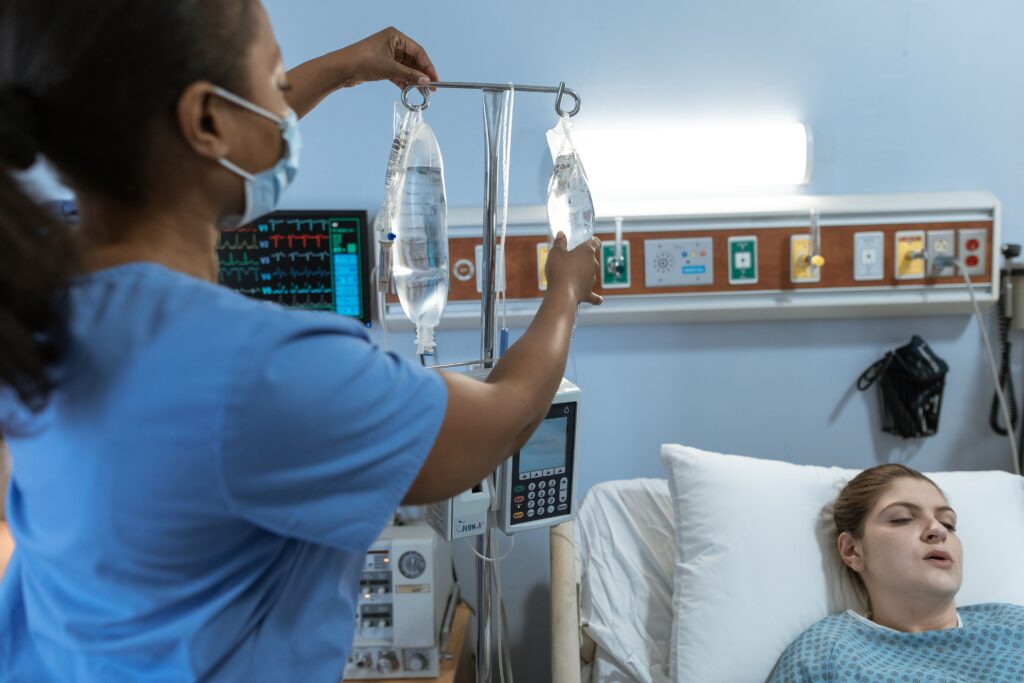
Nurse checking IV fluid bags beside a hospital patient

1. Strengthen Your Professional Knowledge

IV therapy involves more than the technical process of IV insertion.

Professionals should understand areas such as:

  • IV equipment
  • Catheter placement
  • Documentation
  • IV therapy
  • Infection prevention
  • Potential complications
  • Patient safety

A structured certification pathway gives professionals an opportunity to review these areas and assess their knowledge.

2. Support Professional Growth

Additional professional education can be an important part of career development.

For healthcare professionals already working in clinical environments, IV certification may complement their existing experience and help them develop knowledge in a specialized area of healthcare.

For professionals working in settings such as medical spas and vitamin spas, IV-related education can also be relevant to professional development and the services they may be involved in, subject to applicable requirements.

3. Expand Your Professional Opportunities

Healthcare is constantly evolving, and professionals may pursue additional credentials to broaden their knowledge and professional capabilities.

An IV certification can become part of a healthcare professional’s broader professional portfolio.

However, certification should never be viewed as a guarantee of employment, income or a particular career outcome. Professional opportunities depend on qualifications, experience, employer requirements, location and applicable regulations.

4. Continuing to Learn

Healthcare is constantly evolving, and professional development doesn’t stop after completing an initial qualification.

Focused education can provide an opportunity to revisit foundational concepts, strengthen knowledge and identify areas where additional learning may be useful


What Does an IV Certification Course Cover?

A quality IV certification pathway should provide education around the knowledge areas relevant to IV therapy and patient care.

NIVA’s National I.V. Certification Exam™ focuses on areas including:

  • IV catheter placement and documentation
  • IV equipment
  • IV therapy
  • IV complications
  • Patient safety

This means that IV certification is not simply about learning how to perform an IV procedure.

It is also about understanding the knowledge surrounding safe and professional IV care.


IV Certification Course vs. Certification Exam

When exploring professional development pathways, many healthcare providers often ask:

“Should I enroll in a review course, take the certification exam, or pursue both?”

Choosing the right path depends on your current experience, professional objectives, and your personal preparation strategy.

A national IV certification exam is designed to assess and validate a professional’s knowledge through a formal, structured assessment.

Conversely, an IV review course provides an educational framework to revisit core concepts and strengthen your understanding before you sit for the test.

For those seeking a more comprehensive approach, NIVA offers a combined pathway featuring the IV Review Course + National I.V. Certification Exam™.

This digital review program delivers focused lessons, interactive quizzes, and practice assessments to support healthcare professionals as they prepare for their certification journey.

What Should You Look for in an IV Certification Program?

If you’re comparing IV certification options, don’t choose a program based only on the word “certification.”

Consider the following:

1. Eligibility Requirements

Make sure you understand who is eligible before enrolling.

Your professional background, existing credentials and applicable requirements may affect whether you can participate.

2. Curriculum

Look at what the program actually teaches.

Does it address the knowledge areas relevant to your professional goals?

3. Examination Structure

Understand what the examination covers, how it is delivered and how many attempts are included.

4. Learning Format

Consider whether you need:

  • Online education
  • Self-paced learning
  • Practice examinations
  • Instructor-led education
  • Hands-on training

The right format depends on your learning needs and professional requirements.

5. Credential Verification

A credential is more useful when its status can be clearly verified.

NIVA provides an online certification verification pathway that allows a credential to be searched by last name or certification number.

6. Professional and Regulatory Requirements

This is particularly important.

Certification does not automatically determine what a healthcare professional is legally authorized to perform.

Always verify applicable state laws, regulations, employer policies and professional scope-of-practice requirements before performing IV-related procedures.


Is Online IV Certification an Option?

Online education can provide flexibility for healthcare professionals balancing work and professional development.

NIVA’s IV Review Course is currently offered 100% online and on demand, with six months of access and study available around the learner’s schedule.

For professionals who prefer self-paced learning, this format can make it easier to review educational material around existing work and personal commitments.

However, professionals should always distinguish between online educational content and any hands-on clinical training or authorization requirements that may apply to their role.


What Should You Look for in an IV Certification?

Not every certification program is the same.

Before choosing an IV certification course, consider the following.

National Certification

Understand what type of credential the organization provides and what the certification represents.

Relevant Education

Look at the actual curriculum rather than choosing a program based only on the word “certification.”

Examination

Understand what areas the certification examination assesses and how the examination process works.

Preparation

If you are new to the subject or want additional preparation, consider whether the program includes a review course, quizzes or practice examinations.

Credential Verification

A professional credential should have a clear way to verify certification status.

NIVA provides a certification verification system that allows credentials to be searched using the individual’s last name or certification number.

Professional Requirements

Most importantly, understand the requirements that apply to your profession and your location.

State laws, regulations, employer policies and professional scope of practice should always be considered before performing IV-related procedures.

How to Start Your IV Certification Journey

If you’re considering IV certification, start with these five steps:

Step 1: Understand your goal

Ask yourself why you’re considering IV certification.

Are you looking to strengthen your knowledge, add a professional credential, prepare for an examination, or continue your professional education?

Step 2: Confirm your eligibility

Review the certification provider’s requirements and make sure the pathway is appropriate for your professional background.

Step 3: Compare your education options

Determine whether you need an examination only or whether a structured review course would better support your preparation.

Step 4: Prepare

Review the relevant educational material, use practice questions where available, and identify areas where you need additional study.

Step 5: Verify your credential

After certification, understand how your credential can be verified and how renewal requirements apply.


Frequently Asked Questions About IV Certification

What is IV certification?

IV certification is specialized education and assessment focused on IV therapy knowledge. It can complement an existing professional license or credential, but it does not replace licensure or independently authorize clinical procedures.

Who may consider IV certification?

Healthcare professionals may consider IV certification when it aligns with their role and professional goals. Eligibility and authorization vary by profession, state, employer and scope of practice.

Is IV certification available online?

NIVA’s IV Review Course is offered online and on demand. Learners should distinguish online education from any hands-on training or authorization their role may require.

Should I choose an IV certification course or an exam?

An exam assesses knowledge, while a review course helps candidates revisit the material before testing. The right option depends on experience, preparation needs and eligibility.

Authoritative Resources

For additional professional and safety guidance, review the CDC’s intravascular catheter infection-prevention guidance, OSHA’s Bloodborne Pathogens and Needlestick Prevention resources, and the NCSBN Nurse Practice Act Toolkit. These external resources do not replace applicable laws, employer policies or professional requirements.


IV fluid bags and tubing in a clinical setting

Explore Your IV Certification Options With NIVA

For healthcare professionals looking to explore IV education and certification, the National IV Association (NIVA) provides educational and certification pathways focused on intravenous care.

NIVA’s current offerings include the National I.V. Certification Exam, IV Review Course, IV Instructor Certification and other professional education pathways.

If you’re an experienced healthcare professional considering your next professional credential, explore NIVA’s IV certification options and find the pathway that fits your educational goals.

Explore NIVA’s IV Certification Options →

National IV Certification pathways from the National IV Association

Categories
Blog IV Certification

How to Become a Certified IV Instructor with NIVA

Estimated reading time: 16 minutes

Becoming a certified IV instructor requires more than knowing how to start an IV. Effective IV instructors need strong clinical knowledge, practical skills, teaching ability, an understanding of documentation and professional responsibilities, and the ability to communicate effectively with patients and learners across different age groups.

For student nurses, nurses, anesthesia techs, veterinary techs, and dentists whose scope of practice includes IV-related care or instruction, becoming an IV instructor can provide an opportunity to combine clinical expertise with education.

This guide explains the clinical competencies, teaching skills, patient-safety principles, and professional responsibilities involved in becoming a Certified IV Instructor through the National IV Association (NIVA). It also covers IV insertion, sterile technique, infusion principles, medication safety, complication management, documentation, simulation, learner development, and geriatric considerations.

Quick Answer: To become a NIVA Certified IV Instructor, candidates should confirm their current eligibility and prerequisites with NIVA, maintain appropriate clinical credentials and IV experience, develop competency in IV therapy and complication management, complete the required instructor preparation, and successfully meet NIVA’s certification requirements. Current requirements should always be verified through NIVA’s official candidate information.

Table of contents


Why Become a NIVA Certified IV Instructor?

An IV instructor combines clinical expertise with education. The role involves teaching healthcare professionals not only how to perform IV procedures, but also how to recognize complications, maintain appropriate technique, document care, and respond safely when problems occur.

For student nurses, nurses, anesthesia techs, veterinary techs, and dentists working within an appropriate scope of practice, instructor certification can support professional development and expanded educational responsibilities.

As an IV instructor, your responsibilities may include both:

  • Didactic education
  • Supervised hands-on skills training
  • Demonstration of proper IV technique
  • Assessment of learner competency
  • Teaching complication recognition
  • Reinforcing infection-prevention practices
  • Teaching appropriate documentation
  • Promoting patient-centered communication
  • Modeling professional and ethical behavior

NIVA’s instructor approach emphasizes preparation, passion, patience, clinical competency, and continuous learning.


Prerequisites and Eligibility for NIVA IV Instructor Certification

Before beginning the certification process, candidates should confirm the current NIVA eligibility requirements directly with the National IV Association.

The source material identifies several areas candidates should be prepared to address.

1. Appropriate Licensure or Certification

Candidates should have active licensure or certification appropriate to their professional scope of practice.

Examples identified in the source include:

  • Registered nurses
  • LPNs/LVNs with appropriate employer support
  • Paramedics
  • Anesthesia technicians with documented IV clinical experience
  • Licensed veterinary technicians teaching within veterinary scope
  • Dentists when IV or IV sedation training falls within their practice scope

Scope of practice varies by profession and jurisdiction, so candidates should verify that IV-related activities are permitted within their applicable requirements.

2. Clinical IV Experience

Candidates should have practical experience performing IV-related responsibilities, including:

  • IV insertion
  • IV maintenance
  • Infusion management

The source notes that 1–2 years of direct IV-related patient-care experience is commonly recommended, but candidates should verify the current NIVA criteria rather than treating this as a universal requirement.

3. Life Support Training

Candidates may also need:

  • Basic Life Support (BLS)
  • Advanced Cardiac Life Support (ACLS), when required by the institution or relevant to the therapies being taught

4. Documentation of Competency

Competency may be supported through documentation such as:

  • Skills checklists
  • Supervisor attestations
  • Recognized phlebotomy or IV therapy training

The original article also identifies PCT Institute of Healthcare and Phlebotomy Career Training as potential foundational training resources.


Core Clinical Competencies for an IV Instructor

An effective instructor must be able to demonstrate the skills they teach.

That means maintaining competency in IV therapy, understanding why each step matters, and being able to explain the reasoning behind clinical decisions to learners.


1. Understanding IV Therapy Indications and Authorization

IV therapy can be used for a range of clinical purposes, including:

  • Blood collection
  • Medication administration
  • Fluid therapy
  • Chemotherapy
  • Immunosuppressant administration
  • Vitamin therapies
  • Fluid resuscitation
  • Parenteral nutrition

However, the authority to initiate or modify IV therapy depends on the clinician’s scope of practice, applicable orders, protocols, and institutional policies.

An instructor should therefore teach learners to understand not only how IV therapy is performed, but also when they are authorized to perform it.


2. Sterile Technique and Asepsis

Because IV therapy crosses the body’s natural skin barrier and enters the vascular system, infection prevention is a fundamental component of IV education.

Instructors should model:

  • Appropriate hand hygiene
  • Proper glove use
  • Appropriate antiseptic skin preparation
  • Maintaining aseptic technique
  • Allowing the antiseptic to dry appropriately
  • Following institutional infection-control policies

The source identifies chlorhexidine as a preferred antiseptic and describes a one-minute cleanse followed by air-drying, while also noting that alternatives may be required in circumstances such as chlorhexidine allergy or certain neonatal situations.

Because antiseptic requirements can vary by patient population and institutional policy, instructors should teach learners to follow the applicable current protocol.


3. Anatomy and Vein Selection

Good IV instruction begins with anatomy.

Commonly accessible veins include:

  • Cephalic vein
  • Basilic vein
  • Median cubital vein

Instructors should teach learners to assess and trace the vein before insertion and identify a stable segment suitable for cannulation and catheter securement.

The source also cautions against routinely using the dorsum of the hand or lower extremities unless necessary, noting considerations such as mobility, infiltration risk, peripheral circulation, healing, and patient-specific contraindications.


4. IV Insertion Technique

Candidates preparing to teach IV insertion should be able to demonstrate the fundamental mechanics of catheter placement.

Key insertion principles include:

Approach:
The source describes an insertion angle of approximately 15–28 degrees with the bevel facing upward.

Flashback:
Learners should understand how to identify blood return as an indication of intraluminal placement.

Avoid overshooting:
Passing through the posterior wall can result in infiltration or extravasation. Learners should understand how to respond appropriately rather than simply continuing to advance the needle.

Flush and reassess:
After catheter advancement and securement, a gentle saline flush can help assess patency. Resistance should be treated as a reason to stop and reassess rather than forcing the flush.


5. Recognizing IV Complications

One of the most important responsibilities of an IV instructor is teaching learners to recognize complications early.

Potential complications include:

  • Infiltration
  • Extravasation
  • Phlebitis
  • Infection
  • Air embolism
  • Catheter breakage
  • Thrombosis
  • Fluid overload

Complications can have serious consequences, particularly when they are not recognized promptly.

Instructors should teach learners to recognize concerning changes such as:

  • Increased heart rate
  • Elevated or changing blood pressure
  • Shortness of breath
  • Decreased oxygen saturation

When an emergency or significant complication is suspected, learners should follow their institution’s emergency procedures, stop the infusion when appropriate, and summon assistance.


IV Complications: Recognition and Response

ComplicationCommon SignsImmediate Response
InfiltrationSwelling, coolness, pain, decreased or absent blood returnStop infusion, remove catheter, elevate limb, and follow applicable treatment protocol
ExtravasationSevere pain, blistering, potential tissue injuryStop infusion; catheter may need to remain in place for aspiration/antidote according to protocol
PhlebitisRedness, warmth, pain, palpable cordRemove catheter and follow institutional protocol
Air embolismSudden dyspnea, hypotension, chest pain, arrhythmiaClamp line and activate emergency response according to protocol
Catheter-related bloodstream infectionFever, chills, erythema, positive culturesFollow institutional evaluation and treatment procedures
Fluid overloadDyspnea, crackles, hypoxia, edema, increased JVDStop or slow infusion and follow emergency/medical orders

The appropriate response to a complication depends on the specific situation, medication or fluid involved, patient condition, and institutional protocol.


6. Documentation and Legal Responsibilities

Documentation is both a clinical responsibility and an important component of professional practice.

IV instructors should teach learners to document information such as:

  • Date and time
  • IV insertion and assessment
  • Catheter gauge and length
  • Exact insertion site
  • Number of attempts
  • Patient response
  • Pain, swelling, or other complications
  • Flush volume and solution
  • Medications administered
  • Interventions performed
  • Patient and family education
  • Instructor or supervisor involvement when applicable

For example, documenting a site as “right antecubital fossa — cephalic vein” provides considerably more information than simply documenting “right arm.”

Detailed documentation supports continuity of care and provides a clear clinical record.


IV Catheter Gauge Guide

Different catheter sizes have different common applications.

GaugeCommon UseConsiderations
14–16GTrauma resuscitation, rapid transfusionLarge-bore; rarely used outside emergency/operating settings
18GBlood products, contrast, major surgeryCommon for many adult inpatient applications
20GGeneral IV fluids and medicationsCommon adult application
22GPediatrics, older adults, difficult veinsLess trauma; slower infusion
24GInfants, neonates, very fragile veinsAppropriate for selected maintenance fluids and laboratory applications

These are general reference points from the source article; patient condition, therapy, equipment, and institutional policy should guide final selection.


Understanding IV Fluids

IV instructors should also understand the basic characteristics, applications, and risks associated with commonly used fluids.

IV FluidGeneral EffectExample UsesImportant Risks
0.9% Normal SalineIsotonicVolume resuscitation, medication deliveryHyperchloremic acidosis with large volumes
3% Hypertonic SalineDraws fluid into the intravascular spaceSelected cases of cerebral edema and hyponatremiaFluid overload and pulmonary edema
0.45% SalineHypotonic; shifts fluid toward cells/tissuesIntracellular dehydrationCan worsen cerebral edema

Instructors should emphasize that fluid selection and administration must be based on the clinical situation and applicable orders and protocols.


Infusion Rates, Pumps, and Medication Safety

IV instructors must be comfortable teaching infusion calculations and safe infusion-device use.

Gravity Infusions

Gravity infusions require calculation of drops per minute based on the tubing’s drop factor.

Common tubing calibrations include:

  • 10 gtt/mL
  • 15 gtt/mL
  • 20 gtt/mL
  • 60 gtt/mL

Infusion Pumps

Infusion pumps are generally programmed in milliliters per hour.

Instructors should emphasize verifying:

  • Physician/provider order
  • Medication label
  • Pump settings
  • Patient
  • Dose
  • Route
  • Administration time

For medications or therapies requiring calculations such as mcg/kg/min or mg/kg/hour, learners should understand how the ordered dose translates into the appropriate infusion setting.

Independent double-checks should be emphasized for high-risk medications.


Rapid Infusion Risks

Rapid infusion can be particularly concerning in patients who are medically fragile, including some:

  • Older adults
  • Patients with cardiac disease
  • Patients with compromised renal function

Potential warning signs of cardiovascular or fluid overload include:

  • Tachycardia
  • Changing blood pressure
  • Shortness of breath
  • Increased work of breathing
  • Low oxygen saturation
  • Rales
  • Jugular venous distension

When these signs occur, the source instructs learners to stop the infusion, elevate the head of the bed, administer oxygen as ordered, and activate emergency-response procedures.


Medication Labeling and the “Six Rights”

Medication safety should be integrated into IV instructor education.

Learners should verify the:

  1. Right patient
  2. Right drug
  3. Right dose
  4. Right route
  5. Right time
  6. Right documentation/reason

Particular attention should be given to medications with similar appearances, medications stored together, and high-alert medications requiring independent verification.

Instructors should also teach learners to follow facility-specific policies regarding medication timing, IV access, blood draws, and tourniquet use around active IV lines.


IV Flush Best Practices

Flush technique is another essential component of IV competency.

Instructors should teach learners:

  • Appropriate flush volumes
  • Appropriate catheter-specific technique
  • Positive-pressure or applicable clamping techniques
  • Recognition of resistance

The source gives 2–10 mL saline as an example range depending on catheter characteristics.

Resistance should never simply be overcome by force. It should prompt assessment for possible infiltration, thrombosis, malposition, or another catheter problem.


Teaching Documentation: What Should Students Record?

A standardized documentation approach can help learners develop consistent habits.

Important documentation fields include:

  • Date and time
  • Procedure
  • Exact insertion site
  • Catheter type and gauge
  • Number of attempts
  • Patient tolerance
  • Relevant vital signs
  • Flush solution and volume
  • Medications administered
  • Complications
  • Interventions
  • Patient education
  • Supervisor or instructor sign-off when required

A standardized approach also makes documentation easier to evaluate during skills training.


Scope of Practice and Professional Responsibility

An IV instructor must teach learners where their professional boundaries begin and end.

Different healthcare professionals have different scopes of practice. Institutional policies, employer requirements, and applicable laws can also affect what a learner or clinician is permitted to perform.

Learners should understand that:

Knowing when to ask for help is part of clinical competency.

Instructors should create an environment where learners are expected to recognize their limitations, seek supervision when necessary, and communicate concerns rather than attempting procedures outside their knowledge or authorization.


What Makes an Effective IV Instructor?

Clinical expertise is only one part of being an effective instructor.

NIVA’s instructor philosophy emphasizes three qualities:

Preparation

Prepare:

  • Lesson plans
  • Equipment
  • Supplies
  • Simulation scenarios
  • Skills checklists
  • Infection-control procedures

Simulation gives learners opportunities for deliberate practice before applying skills in clinical environments.

Passion

An instructor’s enthusiasm for safe, evidence-informed IV care can help engage learners.

Passion should be paired with:

  • Professionalism
  • Respect
  • Evidence-based practice
  • Continuous improvement

Patience

Clinical skills take time to develop.

Instructors may need to adapt to different learning styles, experience levels, and psychomotor abilities.

Useful instructional strategies include:

  • Breaking complex skills into smaller components
  • Demonstrating before asking learners to perform
  • Coaching learners through practice
  • Gradually reducing support
  • Providing objective feedback
  • Creating an environment where mistakes can be discussed constructively

These approaches are particularly important in hands-on clinical education.


Continuous Learning for IV Instructors

IV therapy, infection-prevention practices, technology, and clinical guidance continue to evolve.

Certified instructors should therefore maintain their knowledge through:

  • Continuing education
  • Professional reading
  • Reviewing current clinical literature
  • Professional networks
  • Ongoing skills development

The source recommends consulting authoritative resources including the CDC, NIH, and National Library of Medicine for evidence-based information.


Using Erikson’s Psychosocial Development Theory in IV Education

Patient-centered IV education also involves understanding the developmental and psychosocial needs of different age groups.

Erikson’s eight psychosocial stages provide a framework instructors can use to adapt communication and educational approaches.

Developmental StageApproximate AgeTeaching Considerations
Trust vs. MistrustInfancySoothing communication and family involvement
Autonomy vs. ShameToddlerSimple choices and distraction
Initiative vs. GuiltPreschoolSimple explanations and play-based preparation
Industry vs. InferioritySchool-agePositive reinforcement and participation
Identity vs. Role ConfusionAdolescencePrivacy, autonomy, and confidentiality
Intimacy vs. IsolationYoung adultCollaborative decision-making
Generativity vs. StagnationMiddle adultFunctional goals and life context
Integrity vs. DespairOlder adultRespect for autonomy, life experience, and goals of care

Using developmental principles can help instructors tailor communication to patients and learners across the lifespan.


Geriatric Considerations for IV Instructors

Older adults may have physiological and psychosocial characteristics that require adjustments in IV care and communication.

Vascular and Skin Changes

Older adults may have:

  • Less elastic veins
  • Increased vascular fragility
  • Thinner skin
  • Reduced subcutaneous tissue

When appropriate, smaller IV catheter gauges may help reduce trauma.

Securement should also take skin fragility into account.

Fluid Management

Changes in fluid distribution and renal function can increase the risk of both dehydration and fluid overload.

Instructors should teach learners to pay close attention to:

  • Fluid intake and output
  • Vital signs
  • Patient condition
  • Signs of fluid overload

Medication Considerations

Polypharmacy and altered pharmacokinetics can affect how older adults respond to medications.

Learners should understand the importance of monitoring for adverse effects and potential medication interactions.


Simulation and IV Skills Assessment

Hands-on simulation is an important component of competency-based instructor education.

Simulation scenarios can include:

  • IV insertion
  • Infiltration
  • Extravasation
  • Air embolism
  • Fluid overload
  • Documentation
  • Patient communication
  • Emergency response

Objective checklists and structured clinical assessments allow instructors to evaluate both technical performance and clinical decision-making.

Debriefing is equally important. Learners should have an opportunity to reflect on what happened, identify errors, and understand how they can improve.


Teaching Different Healthcare Professionals

Not every learner enters an IV course with the same clinical background.

Student Nurses

Focus on:

  • IV fundamentals
  • Clinical reasoning
  • Documentation
  • Basic pharmacology
  • Safe technique

RNs, LPNs, and LVNs

Emphasize:

  • Infusion management
  • Troubleshooting
  • Complication recognition
  • Team-based care

Anesthesia Technicians

Focus on:

  • IV access for procedural sedation
  • Medication safety
  • Infusion pumps
  • Rapid-response protocols

Veterinary Technicians

Adapt IV principles to:

  • Animal anatomy
  • Species-specific considerations
  • Sedation
  • Medication administration

Dentists

When IV sedation or IV medication administration falls within their scope, education can focus on:

  • Safe IV access
  • Medication safety
  • Airway management
  • Emergency preparedness

Tailoring instruction to the learner’s professional environment makes clinical education more relevant and practical.


Blood Draws, IV Lines, and Medication Timing

IV instructors may also need to teach learners about situations where blood collection and IV therapy overlap.

Important considerations include:

Medication Timing

Some laboratory tests require blood collection at specific intervals following medication administration.

Learners should follow institution-specific timing requirements for:

  • Peak levels
  • Drug assays
  • Other medication-related testing

Blood Collection From IV Lines

When blood is collected from an IV line, learners should follow facility protocols regarding:

  • Flushing
  • Waste/discard volume
  • Sampling
  • Post-draw flushing

This helps reduce the risk of dilution or contamination.

Tourniquets and Active IV Lines

The source specifically cautions against applying a tourniquet over an arm with an active peripheral IV because it can affect infusion dynamics, potentially displace the catheter, and introduce other risks.


Working Within Institutional Policy

An IV instructor should never teach IV procedures as though one universal protocol applies everywhere.

Learners need to understand that institutions may have specific policies governing:

  • IV insertion
  • Medication administration
  • Infusion rates
  • Documentation
  • Emergency response
  • Scope of practice
  • Blood collection
  • Consent
  • Reporting

When a learner is uncertain, the appropriate response is to consult a supervisor or follow the applicable institutional procedure.

The source also recommends closed-loop communication and SBAR — Situation, Background, Assessment, Recommendation — for escalation and handoff.


How to Prepare for NIVA IV Instructor Certification

A practical preparation process can include the following steps:

Step 1: Confirm Eligibility

Review your current professional credentials, clinical experience, and NIVA’s current instructor requirements.

Step 2: Document Your Experience

Gather applicable:

  • Clinical experience documentation
  • Skills checklists
  • Competency records
  • Supervisor attestations

Step 3: Strengthen Clinical Knowledge

Review areas such as:

  • Anatomy
  • IV insertion
  • Infusion pharmacology
  • Aseptic technique
  • Medication safety
  • Complication management

Step 4: Practice Hands-On Skills

Use simulation and supervised practice to strengthen technical competency.

Step 5: Develop Teaching Skills

Prepare lesson plans, demonstrations, scenarios, and competency assessments.

Step 6: Prepare for Assessment

Review applicable NIVA examination information and practice scenarios involving:

  • Infiltration
  • Extravasation
  • Air embolism
  • Fluid overload
  • Documentation
  • Patient communication

The original article recommends confirming eligibility and current certification requirements directly with NIVA because requirements can change.


Final Certification Preparation Checklist

Before pursuing certification, candidates can use this checklist:

  • Confirm current NIVA eligibility requirements
  • Verify professional licensure/certification
  • Compile clinical experience documentation
  • Review competency checklists
  • Complete applicable preparatory coursework
  • Practice IV insertion through simulation and supervised practice
  • Review infusion pharmacology and medication safety
  • Practice complication-response scenarios
  • Develop lesson plans
  • Build a teaching portfolio where appropriate
  • Review relevant examination information
  • Gather authoritative clinical resources
  • Continue developing teaching and clinical skills


Final Thoughts

Becoming an effective IV instructor requires the combination of clinical knowledge, technical competency, teaching ability, patient-centered communication, and professional responsibility.

An instructor must be prepared to demonstrate safe IV technique while also teaching learners how to recognize complications, understand medication and infusion safety, document appropriately, work within their scope of practice, and communicate effectively with patients and other healthcare professionals.

For prospective IV instructors, the goal is not simply to demonstrate how to perform an IV procedure. It is to develop the knowledge, judgment, communication skills, and teaching abilities needed to help other healthcare professionals perform safely and confidently.

As Nancy Kimmel writes in the original article, prospective instructors should approach the role with a commitment to lifelong learning, humility, safety, patience, and passion.


NIVA IV Instructor Certification

The National IV Association provides IV education and certification pathways, including its I.V. Instructor Certification program.

Prospective candidates should review the current NIVA program information and candidate requirements before enrolling.

Explore NIVA’s I.V. Instructor Certification →

Explore the I.V. Review Course + Certification →

Explore Immunization Course + Certification →

Frequently Asked Questions About Becoming a Certified IV Instructor

What does an IV instructor teach?

An IV instructor teaches healthcare professionals the knowledge and practical skills required for safe IV therapy, including IV insertion, sterile technique, infusion principles, medication safety, complication recognition, documentation, and patient-centered care.

Who can become a NIVA Certified IV Instructor?

The source identifies potential candidates including student nurses, nurses, anesthesia technicians, veterinary technicians, and dentists, provided their professional credentials, scope of practice, experience, and other requirements align with applicable NIVA criteria.

Candidates should verify current eligibility directly with NIVA.

How much IV experience is needed?

The source states that 1–2 years of direct IV-related patient-care experience is commonly recommended, but this should not be treated as a universal current NIVA requirement. Candidates should confirm the current eligibility criteria with NIVA.

What skills should an IV instructor have?

An IV instructor should be able to demonstrate competency in areas such as:

  • IV insertion
  • Vein selection
  • Aseptic technique
  • Infusion management
  • Medication safety
  • Complication recognition
  • Documentation
  • Patient communication
  • Clinical teaching

Why is simulation important in IV instructor training?

Simulation provides an opportunity for learners to practice clinical skills repeatedly, respond to complications, receive structured feedback, and develop confidence before applying skills in clinical environments.

Do IV instructors need to understand medication safety?

Yes. IV instruction includes medication and infusion safety, including appropriate labeling, verification, infusion calculations, pump programming, medication timing, and recognition of potential complications.

Why is patient communication important for IV instructors?

IV procedures can be stressful for patients. Effective instructors teach learners to communicate clearly, respect patient autonomy and dignity, adapt communication to developmental needs, and explain procedures appropriately.

Categories
Blog IV Certification

Recognizing and Managing IV Complications: Phlebitis, Infiltration, and More

Estimated reading time: 15 minutes

Intravenous (IV) therapy is one of the most commonly performed invasive procedures in healthcare. IV access is used for fluid resuscitation, medication administration, chemotherapy, immunosuppressant therapy, vitamin and micronutrient therapy, blood collection, and emergency access.

Because an IV catheter provides direct access to the vascular system, complications can sometimes progress quickly. Problems such as phlebitis, infiltration, extravasation, catheter-related infection, occlusion, thrombosis, air embolism, and fluid overload require prompt recognition and appropriate intervention.

For student nurses, nurses, anesthesia techs, veterinary techs, dentists, and healthcare educators who teach IV skills, understanding the warning signs of IV complications is an essential part of safe clinical practice.

This guide explains how to recognize common IV complications, understand their causes and risk factors, respond appropriately, document events, and teach IV complication prevention through clinical education and simulation.

Table of contents


What Are the Most Common IV Complications?

The most commonly encountered IV complications discussed in this guide include:

  • Phlebitis — inflammation of the vein
  • Infiltration — leakage of a non-vesicant IV solution into surrounding tissue
  • Extravasation — leakage of a vesicant medication into surrounding tissue
  • Catheter-related infection
  • Catheter occlusion or thrombosis
  • Air embolism
  • Fluid overload

Early recognition is important because some IV complications remain localized while others can produce systemic effects.

Quick Answer: If an IV site develops unexpected pain, redness, swelling, coolness, blanching, resistance to flushing, loss of blood return, or other concerning changes, stop and assess the infusion according to applicable clinical protocols. The appropriate response depends on the suspected complication, medication or solution involved, patient condition, and institutional policy.


Why IV Complication Management Matters

IV therapy can produce rapid physiological effects because fluids and medications enter the vascular system directly.

Examples of potential problems include:

  • Hypertonic solutions causing vascular irritation or fluid shifts
  • Rapid infusions contributing to cardiovascular overload in vulnerable patients
  • Breaks in aseptic technique contributing to catheter-related bloodstream infection
  • Vesicant medications causing tissue injury when they escape the vein

Maintaining appropriate technique, verifying medication and fluid labels, following applicable authorization requirements, and documenting care are therefore fundamental components of IV safety.


Understanding the Anatomy Behind IV Complications

An IV catheter passes through several layers before entering the vein.

From the skin surface toward the vascular lumen, these include:

  1. Epidermis
  2. Dermis
  3. Hypodermis/subcutaneous tissue
  4. Venous wall, including the tunica intima, media, and adventitia

Understanding these structures helps clinicians understand the physical sensations associated with insertion, recognize flashback, and understand how fluid or medication can enter surrounding tissue if the catheter is not positioned appropriately.


Choosing the Right Vein Can Help Prevent Complications

Vein selection is an important part of IV complication prevention.

For peripheral IV access, commonly used veins include:

  • Cephalic vein
  • Basilic vein
  • Median cubital vein

The antecubital fossa contains several relatively large veins that may be useful for peripheral access.

When selecting a vein, clinicians should:

  • Trace the vein before insertion
  • Identify a sufficiently straight segment
  • Avoid areas over joints when possible
  • Consider vessel quality
  • Consider the patient’s condition and history
  • Select an appropriate catheter size

The source recommends tracing the vein for at least an inch (approximately 2–3 cm) to understand its direction and continuity before cannulation.

Special Populations

Vein selection becomes particularly important in:

  • Older adults with fragile or tortuous veins
  • Pediatric patients with smaller vessels
  • Patients with diabetes
  • Patients with peripheral vascular disease
  • Patients with cardiac or renal conditions affecting fluid management

Technique should always be adapted to the individual patient’s vessel quality and clinical condition.


IV Insertion Technique and Complication Prevention

Technical precision during IV insertion can help reduce mechanical injury.

Important principles include:

Insert at the Appropriate Angle

The source describes a peripheral IV insertion angle of approximately 15–28 degrees, depending on vein depth.

Keep the Bevel Up

The needle should be inserted with the bevel facing upward.

Recognize Flashback

Blood return in the catheter hub indicates entry into the vein. Once flashback is observed, the catheter should be advanced appropriately while reducing the angle to help avoid passing through the vessel.

Avoid Transfixing the Vein

Continuing to advance after entering the vein can cause the needle or catheter to pass through the posterior wall.

Never Force a Flush

Resistance during flushing can indicate:

  • Malposition
  • Catheter occlusion
  • Placement against the vessel wall
  • Perivascular placement

If resistance occurs, stop and reassess rather than forcing the flush.


Sterile Technique and Skin Antisepsis

Aseptic technique is fundamental to preventing infection and other IV complications.

Important practices include:

  • Hand hygiene before and after the procedure
  • Appropriate antiseptic skin preparation
  • Allowing the antiseptic to dry completely
  • Appropriate gloves
  • Appropriate dressings and securement
  • Maintaining a clean field during dressing changes and line access

The source identifies chlorhexidine as the preferred skin antiseptic for most adult patients and discusses cleansing the insertion site for approximately 30 seconds to one minute, followed by complete drying.

Because antiseptic products, concentrations, application times, and patient-specific precautions can vary, clinicians should follow the applicable current institutional protocol.


Understanding IV Solutions and Their Effects

Understanding solution tonicity is another important component of IV education.

SolutionGeneral EffectClinical Considerations
0.9% Normal SalineIsotonic and closely aligned with extracellular fluidUsed for applications such as resuscitation and medication dilution; large volumes may contribute to hyperchloremic metabolic acidosis in some patients
3% Hypertonic SalineDraws water toward the vascular spaceUsed in selected situations such as severe hyponatremia and cerebral edema; requires careful administration
0.45% SalineHypotonic; shifts fluid toward cells/interstitiumUsed in selected cases of intracellular dehydration; inappropriate use can contribute to complications

Medication and fluid labels should always be carefully checked. Confusing solutions with medications such as atropine or lidocaine can result in serious medication errors.


Fluid Overload and Rapid Infusion

Infusion speed must be appropriate for the patient’s physiology.

Patients who may be particularly vulnerable to cardiovascular overload include some:

  • Older adults
  • Patients with heart failure
  • Patients with renal impairment
  • Other medically fragile patients

Potential warning signs include:

  • Tachycardia
  • Elevated blood pressure
  • Shortness of breath
  • Tachypnea
  • Low oxygen saturation
  • Jugular venous distension
  • Crackles on lung auscultation

When signs of acute overload occur, the source recommends stopping the infusion, positioning the patient upright, administering oxygen, and notifying the provider, while following applicable emergency protocols.


Phlebitis: Signs, Causes, and Management

What Is Phlebitis?

Phlebitis is inflammation of the vein wall.

It can be:

  • Chemical — associated with an irritating medication or solution
  • Mechanical — associated with catheter movement or irritation
  • Infectious — associated with infection

Common signs include:

  • Redness along the vein
  • Pain or tenderness
  • Warmth
  • Swelling
  • A palpable or tender cord
  • Possible purulent drainage when infection is involved

What Should You Do if Phlebitis Is Suspected?

The source recommends:

  1. Stop the infusion.
  2. Discontinue the catheter when phlebitis is suspected.
  3. Assess for systemic signs of infection.
  4. Establish alternative access when necessary.
  5. Obtain cultures or notify the prescriber when infection is suspected.
  6. Document the event thoroughly.

Documentation should include the time, catheter information, site, signs and symptoms, patient response, and actions taken.


Infiltration: Recognition and Management

What Is Infiltration?

Infiltration occurs when a non-vesicant IV solution leaks into the surrounding tissue.

This differs from extravasation, where a vesicant medication escapes into tissue and can cause cellular injury.

Signs of Infiltration

Watch for:

  • Coolness around the IV site
  • Blanching
  • Swelling
  • Tightness
  • Loss of blood return
  • Resistance during flushing

What Should You Do?

If infiltration is suspected:

  • Stop the infusion.
  • Clamp or remove the catheter as appropriate.
  • Elevate the affected limb.
  • Follow the applicable compress protocol.
  • Assess the affected area.
  • Document the size, appearance, symptoms, and progression.

If the solution or medication involved requires an extravasation protocol, follow that protocol rather than treating it as ordinary infiltration.


Extravasation: A More Serious Tissue Injury Risk

What Is Extravasation?

Extravasation is the leakage of a vesicant medication into surrounding tissue.

Some chemotherapy agents and concentrated vasopressors are examples of agents that can cause significant tissue injury if extravasated.

Potential findings include:

  • Severe pain
  • Blanching
  • Swelling
  • Tissue injury
  • Blistering
  • Potential necrosis

Immediate Response

When extravasation is suspected:

  1. Stop the infusion immediately.
  2. Do not automatically remove the catheter.
  3. Follow the institution’s extravasation protocol.
  4. Preserve the catheter when required for aspiration.
  5. Consult the appropriate prescribing clinician and pharmacy.
  6. Follow medication-specific antidote and compress instructions.
  7. Document the event in detail.

Documentation should include the medication, dose, time, estimated amount involved, physical findings, and interventions.


Catheter-Related Infection

IV-related infection can occur locally or involve the bloodstream.

Local Signs

  • Redness
  • Tenderness
  • Purulent drainage

Systemic Signs

  • Fever
  • Chills
  • Hypotension
  • Unexplained leukocytosis

When infection is suspected or confirmed, management should follow institutional and provider-directed protocols. This may include catheter removal, cultures, antimicrobial therapy, and infection-prevention measures.


Catheter Occlusion and Thrombosis

A catheter that becomes difficult or impossible to flush requires assessment.

Possible signs include:

  • Inability to flush
  • Reduced infusion flow
  • Swelling

Potential causes include:

  • Mechanical obstruction
  • Fibrin sheath
  • Thrombus
  • Catheter positioning problems

Key Safety Rule

Do not forcibly flush against resistance.

First assess for mechanical or positional causes. Pharmacologic treatment such as a thrombolytic may be appropriate in selected circumstances and according to applicable protocols.


Air Embolism: Rare but Serious

Air embolism occurs when air enters the venous circulation.

Potential signs include:

  • Sudden chest pain
  • Dyspnea
  • Hypotension
  • Cyanosis
  • Altered mental status
  • Cardiac arrhythmia

Prevention

Prevention includes:

  • Properly priming tubing
  • Clamping lines appropriately
  • Using occlusive dressings
  • Preventing air entry during line insertion and removal
  • Maintaining appropriate line connections

If an air embolism is suspected, follow the institution’s emergency-response protocol immediately. The source describes positioning the patient in left lateral decubitus and Trendelenburg when tolerated, administering 100% oxygen, and activating emergency response.


Phlebitis and Infiltration Assessment Scales

Standardized assessment tools can help clinicians consistently document changes at an IV site.

The source describes commonly used:

  • Phlebitis scales
  • Infiltration scales

Both use graded findings to help characterize severity.

Example Phlebitis Scale

GradeFindingsExample Action
0No symptomsContinue routine care
1Possible tenderness/slight erythemaMonitor closely
2Redness, swelling, pain along veinRemove catheter and follow protocol
3–4Palpable cord, marked erythema, possible purulenceRemove catheter; culture/treat when indicated

Standardized assessment supports clearer documentation and communication between clinicians.


IV Flushing and Blood Draws

Flushing and blood collection from IV lines require careful attention to technique and timing.

Important considerations include:

  • Use the appropriate saline and technique.
  • Follow applicable facility requirements for flushing.
  • Consider medication contamination when collecting blood from an IV line.
  • Observe required timing between medication administration and blood collection.
  • Follow policy regarding discard/waste volumes.
  • Avoid placing a tourniquet above an arm with an active IV infusion.

The timing of blood collection can affect laboratory results when medications are being administered through the line, so institution-specific policies should determine the appropriate procedure.


Medication Verification and IV Safety

Medication errors can create serious IV-related complications.

Before administering an IV medication, verify:

  • Patient
  • Medication
  • Concentration
  • Dose
  • Route
  • Time
  • Expiration date
  • Applicable order

High-risk medications may also require two-person verification according to institutional policy.

Documentation should include relevant medication information, including lot numbers and administration times when required for traceability.


IV Documentation: What Should Be Charted?

Documentation should create a clear record of both routine IV care and complications.

Important information includes:

  • Date and time
  • Catheter gauge
  • Catheter length
  • Manufacturer when required
  • Exact anatomical location
  • Number of attempts
  • Assistance provided
  • Patient response
  • Relevant vital-sign changes
  • Interventions
  • Patient/family education
  • Provider notification
  • Orders received

For students and novice clinicians, learning precise documentation is part of developing safe clinical practice.


Scope of Practice and Professional Accountability

IV skills must always be performed within the individual’s professional scope of practice.

Scope can depend on:

  • Profession
  • State regulations
  • Employer policies
  • Delegation
  • Supervision
  • Clinical setting

Medical assistants, for example, should consult supervising clinicians when IV responsibilities exceed their authorized scope.

For students and novice clinicians, supervision and progressively increased responsibility help support safe learning.


How IV Instructors Can Teach Complication Recognition

Effective IV education should combine knowledge with hands-on practice.

A strong skills program can incorporate:

Preparation

Provide:

  • Appropriate equipment
  • Simulation models
  • Documentation templates
  • Skills checklists
  • Complication scenarios

Demonstration and Return Demonstration

Instructors should demonstrate the skill and then have learners perform it while being observed.

Scenario-Based Simulation

Simulation can recreate situations such as:

  • Infiltration
  • Extravasation
  • Phlebitis
  • Fluid overload
  • Difficult access
  • Medication-related complications

Constructive Feedback

Learners need opportunities to understand:

  • What happened
  • Why it happened
  • What warning signs were present
  • What could have been done differently
  • How to respond safely next time

The source emphasizes preparation, passion, patience, individualized coaching, debriefing, and continuous learning as important instructor practices.


Applying Erikson’s Psychosocial Stages to IV Education

IV education is not only about technical skill.

Patients and learners have different developmental, emotional, and communication needs.

Erikson’s psychosocial framework can help instructors adapt communication across the lifespan.

Examples include:

  • Infants: reduce sensory distress and involve caregivers appropriately.
  • Toddlers: offer simple choices.
  • Preschool children: use play and age-appropriate explanations.
  • School-age children: encourage participation and competence.
  • Adolescents: respect privacy and autonomy.
  • Young adults: encourage collaborative decision-making.
  • Middle adults: connect care with health and family responsibilities.
  • Older adults: emphasize dignity, autonomy, life experience, and individual goals.

Using developmentally appropriate communication can make IV education more patient-centered and responsive.


Geriatric IV Complication Considerations

Older adults may have characteristics that require additional attention during IV therapy.

These can include:

  • Fragile veins
  • Thinner skin
  • Reduced cardiac reserve
  • Altered fluid distribution
  • Polypharmacy

For older patients, instructors should emphasize:

  • Appropriate catheter selection
  • Gentle securement
  • Protection of fragile skin
  • Careful fluid monitoring
  • Medication review
  • Clear and respectful communication
  • Appropriate caregiver involvement

Fluid overload may present subtly, so learners should understand the importance of monitoring the patient’s overall clinical condition rather than relying on a single measurement.


Education and Competency Assessment

A structured IV competency program can include four major components:

1. Didactic Education

Cover:

  • Anatomy
  • Infection prevention
  • IV solutions
  • Medication safety
  • Complication recognition

2. Simulation

Use task trainers and simulated complications to practice recognition and response.

3. Supervised Clinical Practice

Learners should perform procedures under appropriate supervision and receive feedback.

4. Documentation Assessment

Evaluate whether learners can accurately document:

  • Time
  • Gauge
  • Location
  • Attempts
  • Patient response
  • Complications
  • Interventions

Interprofessional IV Responsibilities

IV care often involves multiple members of a healthcare team.

The source highlights different educational considerations for:

Student nurses and new nurses:
Perform IV procedures under appropriate supervision until competency is established.

Anesthesia technicians:
Understand IV monitoring, line setup, and emergency response in procedural environments.

Veterinary technicians:
Adapt IV principles to animal anatomy and species-specific needs.

Dentists:
When IV sedation falls within scope, understand vascular access, infiltration recognition, airway management, and cardiovascular complications.

Medical assistants:
Work within defined scope and consult supervising clinicians when necessary.


Preventing IV Complications at the System Level

IV safety is not solely an individual responsibility.

Healthcare organizations can support prevention through:

  • Standardized insertion and maintenance practices
  • Appropriate skin antisepsis
  • Catheter stabilization
  • Securement systems
  • Consistent assessment
  • Staff education
  • Reporting of serious complications
  • Root-cause analysis
  • Ongoing review of current evidence

Serious events such as significant extravasation injuries or catheter-related bloodstream infections should be reviewed according to applicable organizational quality-improvement processes.


IV Safety Checklist

Before IV Insertion

  • Confirm the indication.
  • Confirm appropriate authorization when required.
  • Review relevant patient history and allergies.
  • Select an appropriate vein.
  • Select an appropriate catheter size.
  • Trace the vein.
  • Gather necessary supplies.
  • Perform hand hygiene.

During IV Insertion

  • Position the patient appropriately.
  • Apply the tourniquet correctly.
  • Avoid applying a tourniquet over an active IV.
  • Prepare the skin according to protocol.
  • Insert bevel-up at the appropriate angle.
  • Watch for flashback.
  • Advance the catheter appropriately.
  • Secure the catheter.
  • Flush gently.
  • Stop and reassess if resistance occurs.

After Insertion

  • Secure and dress the IV site.
  • Document the procedure.
  • Label the dressing when required.
  • Educate the patient about warning signs.
  • Monitor the site according to institutional policy.

Three IV Complication Scenarios to Recognize

Case 1: Fluid Overload

An older patient with congestive heart failure receives a fluid bolus and subsequently develops tachycardia, shortness of breath, and new crackles.

These findings can indicate acute cardiovascular or fluid overload and require immediate clinical reassessment and appropriate emergency response.

Case 2: Phlebitis

A patient receiving peripheral antibiotics develops redness and tenderness along the vein.

The findings are consistent with possible phlebitis. The source scenario describes catheter removal, warm compresses, documentation, and monitoring.

Case 3: Extravasation

A patient receiving a vasopressor through a peripheral IV develops sudden pain, blanching, and loss of blood return.

Extravasation should be suspected. The infusion should be stopped and the applicable extravasation protocol followed, including preserving the catheter when necessary for aspiration and seeking appropriate clinical/pharmacy support.


Final Practice Points for IV Clinicians and Educators

When teaching or performing IV therapy, remember:

  • Verify the indication and authorization as appropriate.
  • Read medication and fluid labels carefully.
  • Use appropriate aseptic technique.
  • Select veins and catheter sizes based on patient and vessel characteristics.
  • Use appropriate insertion technique and avoid forcing the catheter.
  • Never force a flush against resistance.
  • Monitor fragile patients carefully during infusions.
  • Recognize phlebitis, infiltration, extravasation, infection, and occlusion early.
  • Follow medication-specific and institution-specific complication protocols.
  • Document IV procedures and complications accurately.
  • Work within professional scope of practice.
  • Teach through demonstration, simulation, supervised practice, and constructive feedback.
  • Adapt communication to the patient’s age, condition, and individual needs.
  • Continue updating clinical knowledge using authoritative resources.

Continuing Education and Professional Development

Maintaining IV competency is an ongoing process.

Clinicians and instructors should continue reviewing current institutional policies and authoritative clinical resources, including information from organizations such as the CDC, NIH, NLM, and NIA.

Structured education and skills training can also help clinicians strengthen their knowledge of IV therapy, phlebotomy, patient safety, and complication recognition.


Conclusion

Safe IV therapy requires much more than successful catheter placement.

Clinicians must be able to recognize subtle changes at the IV site, understand how medications and fluids affect the patient, identify complications early, respond according to the applicable protocol, and document what happened accurately.

For instructors, these skills must be translated into effective education. Learners need opportunities to understand the underlying physiology, practice technical skills, recognize complications through realistic scenarios, and develop the confidence to stop and ask for help when something is not right.

Whether teaching student nurses, nurses, anesthesia techs, veterinary techs, dentists, or other healthcare professionals working within their applicable scope, the foundation remains the same:

Prepare carefully. Practice deliberately. Recognize complications early. Put patient safety first.

Frequently Asked Questions About IV Complications

What are the most common IV complications?

Common complications include phlebitis, infiltration, extravasation, catheter-related infection, catheter occlusion or thrombosis, and air embolism.

What is the difference between infiltration and extravasation?

Infiltration involves leakage of a non-vesicant IV solution into surrounding tissue. Extravasation involves leakage of a vesicant medication that can cause tissue injury.

What are the signs of phlebitis?

Common signs include redness, pain or tenderness, warmth, swelling, and a palpable cord along the vein.

What are the signs of IV infiltration?

Common signs include coolness, blanching, swelling, tightness, loss of blood return, and resistance to flushing.

What should you do if an IV does not flush?

Do not force the flush. Assess the catheter and patient for possible mechanical obstruction, malposition, infiltration, thrombosis, or another cause of resistance.

Why is extravasation more serious than infiltration?

Extravasation involves a vesicant medication that can cause significant local tissue injury, including potential necrosis.

How can IV complications be prevented?

Prevention includes appropriate vein selection, correct insertion technique, aseptic practice, appropriate catheter selection and securement, medication and solution verification, appropriate infusion rates, ongoing site assessment, and accurate documentation.

Why is documentation important after an IV complication?

Documentation creates a clinical record of the event, patient findings, interventions, response, and notifications. It also supports communication and professional accountability.